Beyond Visibility: How Control Towers Are Rewiring the Economic Logic of Oil
Sarah Martinez
Logistics Correspondent
April 18, 2026
DATELINE: NA TRADE WIRE
"The oil and gas industry's adoption of supply chain control towers represents"
Beyond Visibility: How Control Towers Are Rewiring the Economic Logic of Oil & Gas Supply Chains
Introduction: The High-Stakes Puzzle of Hydrocarbon Logistics
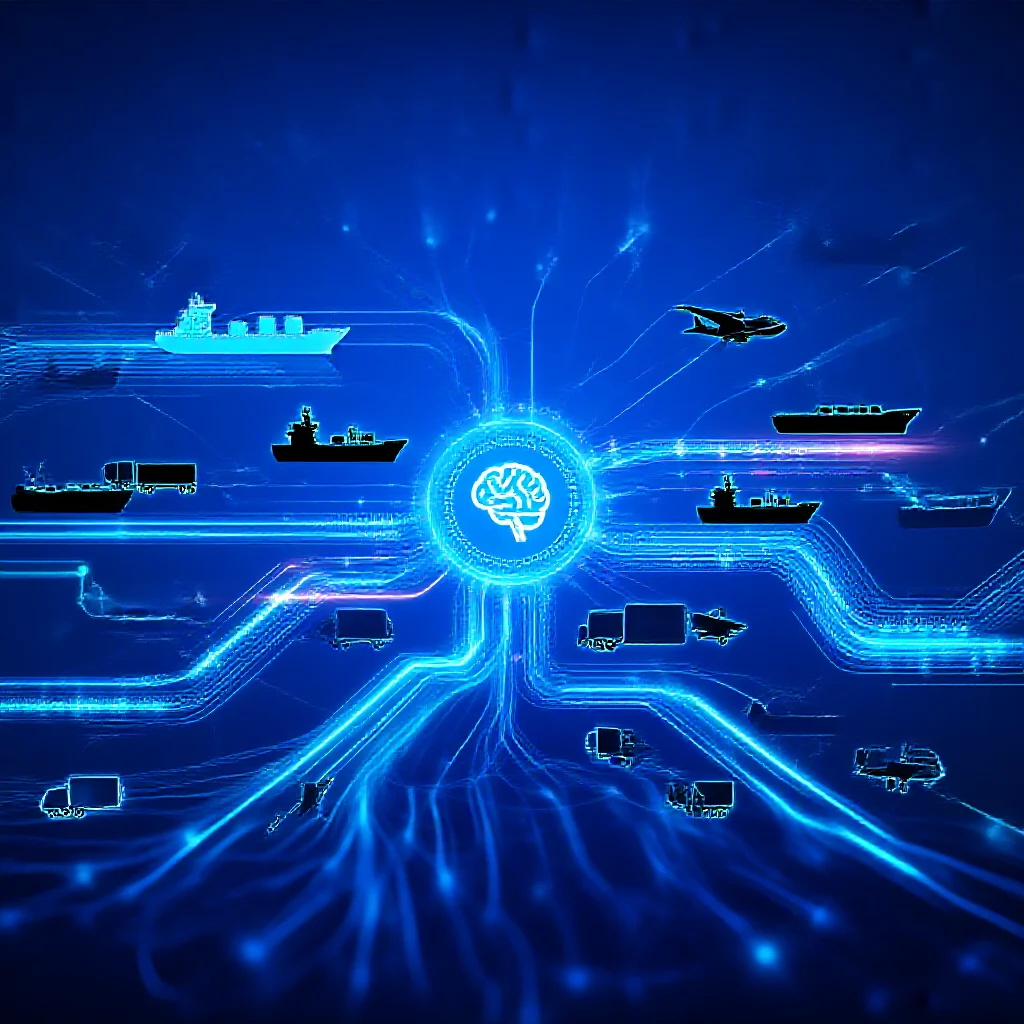
The technological sophistication of the modern oil and gas industry is most visible at its frontiers: in the precision of directional drilling, the engineering of deep-water platforms, and the algorithms parsing seismic data. In stark contrast, the management of the global, multi-tiered supply chain supporting these operations has historically been fragmented, reactive, and opaque. This disconnect represents a significant economic vulnerability. The introduction of the supply chain control tower addresses this not as a simple dashboard for monitoring, but as an integrated central nervous system. It synthesizes data across a capital-intensive, geographically dispersed operation. The core thesis is that these platforms are facilitating a paradigm shift, moving the supply chain from a function focused on logistical cost containment to one of strategic, value-driven orchestration.Deconstructing the Tower: More Than a Dashboard, an Economic Engine
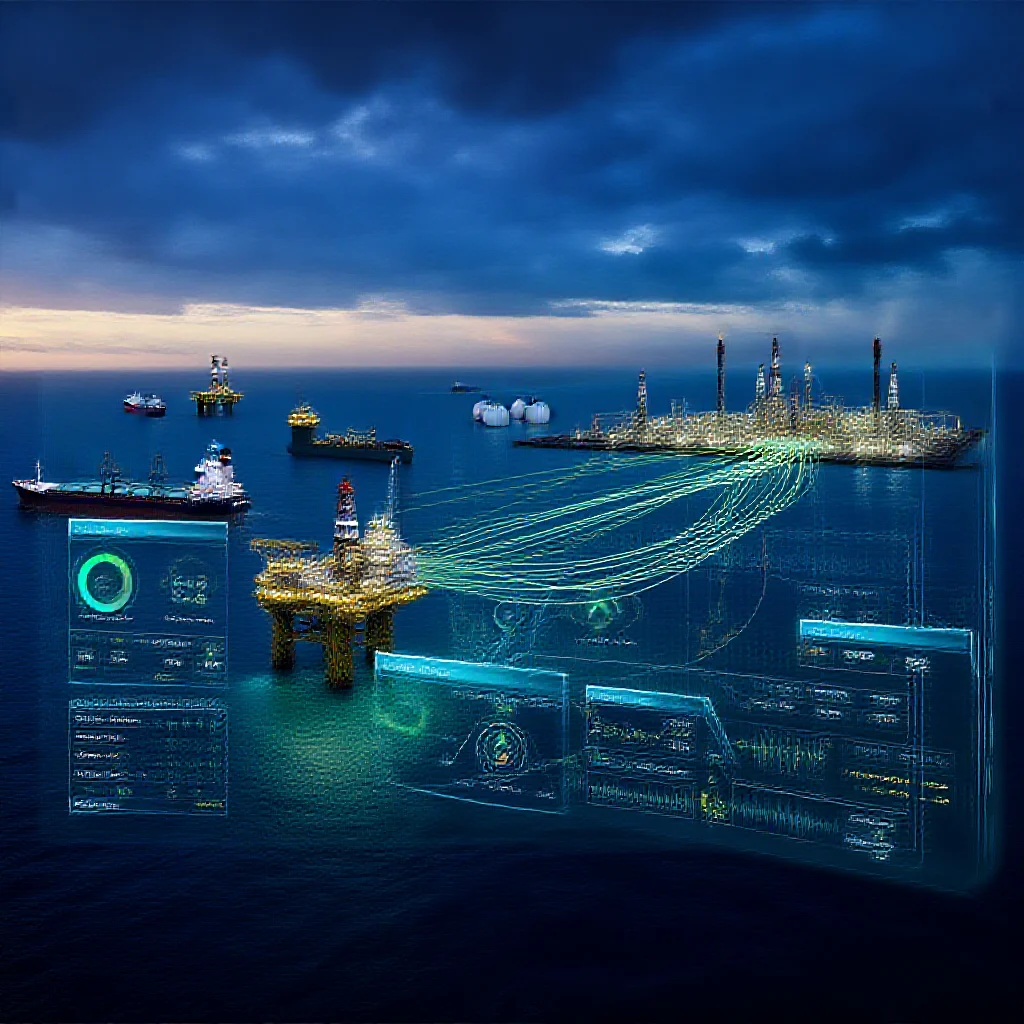
The term "end-to-end visibility" is often used generically. Within the control tower architecture, it is decomposed into three functional pillars: the integration of disparate data streams, the application of predictive analytics and artificial intelligence, and the enablement of collaborative workflows. Data is aggregated from upstream sensors, vessel Automatic Identification Systems (AIS), pipeline flow meters, inventory management systems, and external market feeds. This integration reveals the hidden economic logic of the supply network, exposing interdependencies and cost drivers that were previously obscured within functional or corporate silos.The economic impact is quantifiable. By converting raw data into actionable intelligence, control towers allow for the optimization of key performance indicators tied directly to financial outcomes. Industry analysis indicates that integrated supply chain platforms can lead to significant reductions in unplanned downtime and lower overall inventory carrying costs (Source 1: [Gartner, "Hype Cycle for Supply Chain Strategy, 2023"]). The control tower acts as an economic engine by identifying these optimization levers—such as optimal routing, demand-supply matching, and maintenance scheduling—that directly affect the cost of goods sold and capital efficiency.
The Proactive Pivot: From Reacting to Disruptions to Designing Resilience
The primary economic value shifts from reaction to prevention. AI-driven predictive analytics within control towers model potential disruptions, from geopolitical events and extreme weather to supplier delays or equipment degradation. This enables a proactive management posture: pre-emptive rerouting of crude oil tankers, strategic positioning of critical spare parts inventory, and scheduling maintenance based on predictive failure models rather than fixed intervals or breakdowns.The long-term economic impact is a structural change in the supply chain's risk profile and associated costs. By systematically reducing the frequency and severity of disruptions, control towers decrease the inherent "risk premium" historically baked into operations. This premium manifests as excessive safety stock, costly contingency contracts with logistics providers, and capital tied up in redundant infrastructure. Evidence from technology implementations suggests specific outcomes; for instance, case studies reference reductions in unplanned downtime by up to 20% and safety stock levels by 15-30% in complex asset networks (Source 2: [Kinaxis Inc., "Oil and Gas Supply Chain Resilience White Paper"]). The avoided cost of a single major disruption—such as a deep-water rig standing idle awaiting a critical component—can justify the entire platform investment.
The Integrated Value Chain: Unlocking New Competitive Dynamics
The ultimate economic recalibration occurs when visibility and proactive control extend beyond a single company's operations to encompass the broader value chain, including suppliers, logistics partners, and customers. An integrated control tower facilitates a transition from sequential, transaction-based relationships to synchronized, collaborative planning. In practice, this means a drilling contractor can align its schedule and inventory with the operator's plan, while the supplier of drilling fluids receives predictive demand signals, optimizing its own production and delivery.This network-level synchronization compresses cycle times, improves asset utilization across partners, and reduces collective waste. The competitive dynamic evolves from competing as individual firms to competing as optimized ecosystems. The entity that most effectively orchestrates its extended supply network gains advantages in operational agility, cost efficiency, and reliability of delivery. This transforms the supply chain from a static cost center into a dynamic source of market differentiation and value creation.
Neutral Market and Industry Predictions
The adoption of supply chain control towers in oil and gas will continue to accelerate, driven by volatility in both commodity markets and the global geopolitical landscape. The technology will increasingly become a baseline requirement for managing complex, capital-intensive projects, particularly in remote and harsh environments. Future development will focus on the integration of more advanced AI, including generative AI for scenario planning and autonomous decision-making for routine logistical adjustments. Furthermore, the convergence of control tower data with sustainability metrics will become critical, enabling precise tracking of Scope 3 emissions across the logistics network and optimizing for carbon efficiency alongside cost and speed. The economic logic is clear: in an industry defined by scale and complexity, mastery of information flows is becoming synonymous with mastery of financial flows.Trade Metrics
Related Datasets
Q4 Cross-Border Logistics Report
PDF • 4.2 MB
Automotive Parts Supply Chain Index
CSV • 1.1 MB