Beyond the Headlines: How Strait of Hormuz Tolls & Ceasefire Reshape Global

Lisa Park
Supply Chain Editor
April 12, 2026
DATELINE: NA TRADE WIRE
"The dual shock of new transit tolls in the Strait of Hormuz and a fragile"
Beyond the Headlines: How Strait of Hormuz Tolls & Ceasefire Reshape Global Energy Logistics
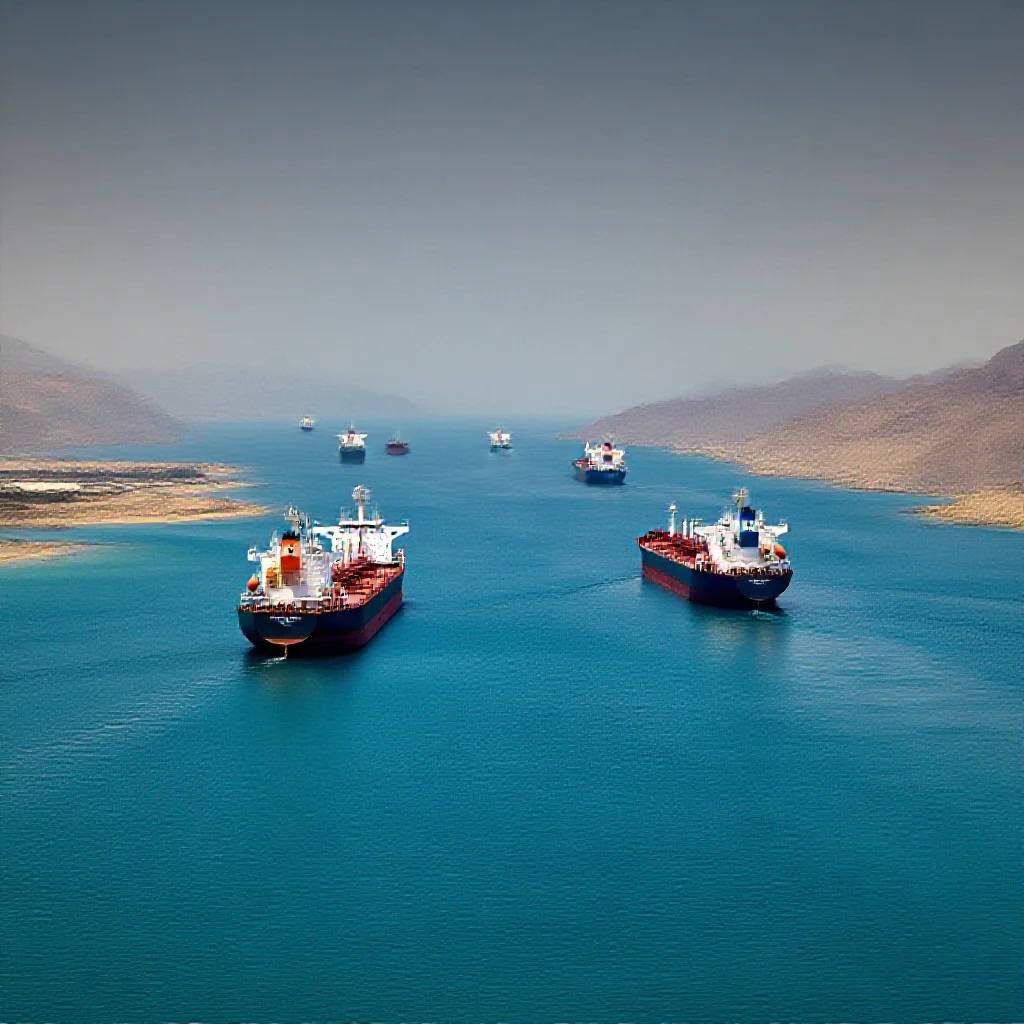
A dramatic, wide-angle aerial view of large oil tankers navigating the narrow, turquoise-blue waters of the Strait of Hormuz, with arid mountainous coastlines on both sides. The scene should convey both strategic importance and constriction, under a hazy, tense sky. No text or watermarks.
The concurrent implementation of new transit tolls in the Strait of Hormuz and the activation of a regional ceasefire presents a complex, dual-force catalyst for global energy markets. While a reduction in overt conflict risk typically signals stability, the introduction of economic friction through tolls creates a paradoxical shock to the system. This analysis moves beyond immediate oil price fluctuations to examine the deeper, more consequential recalibration of global energy logistics, shipping economics, and long-term supply chain strategy now underway.
The Double-Edged Sword: Tolls and Truce as Market Catalysts
The core paradox lies in the opposing signals sent to the market. A ceasefire reduces the immediate physical risk of conflict-related disruption in a region critical to global energy flows. Simultaneously, the new toll structure imposes a direct and predictable economic cost on transit through the world's most significant oil chokepoint. Approximately 20-30% of globally traded oil and nearly a third of seaborne liquefied natural gas passes through the Strait's narrow confines. (Source 1: U.S. Energy Information Administration, World Oil Transit Chokepoints).
The immediate market reaction has been characterized by volatility, reflecting the difficulty in pricing these contradictory forces. Short-term oil prices may exhibit sensitivity to the ceasefire's perceived durability. However, the more decisive and measurable response is emerging not in futures markets but in the logistical decisions of shipping and trading companies. The introduction of a calculable toll shifts the risk assessment from a binary "safe/unsafe" paradigm to a continuous cost-benefit analysis, where alternative routes become financially comparable.
Infographic map highlighting the Strait of Hormuz, its narrow width, and key export terminals like Ras Tanura.
The Rerouting Calculus: Cost vs. Certainty in Global Shipping
The imposition of transit tolls has triggered a precise economic calculus for vessel operators. The decision matrix involves quantifying the new toll against the costs of the primary alternative: rerouting around the Cape of Good Hope. This bypass adds approximately 15 days of voyage time for a tanker traveling from the Arabian Gulf to Northwest Europe. The extended journey increases fuel consumption, crew costs, and vessel charter rates, while also incurring its own set of port and canal fees elsewhere.
The impact extends beyond crude oil tankers. Container ships and dry bulk carriers transporting goods between Asia and Europe that utilize the Suez Canal also depend on clear passage through the adjacent Strait of Hormuz for access. Their rerouting compounds congestion and rate pressures across global shipping lanes. This event serves as a stress test for the efficiency-optimized, just-in-time global supply chain model. The logistical system, which had minimized inventory buffers and cost premiums for geopolitical risk, is now forced to reintroduce that risk premium into fundamental routing decisions. The economic logic is no longer solely about the commodity price but about total landed cost and delivery certainty.
Comparative route map showing the standard Suez/Hormuz route versus the longer Cape of Good Hope alternative, with distance and time differences noted.
From Temporary Disruption to Structural Shift?
The critical audit question is whether this event will accelerate pre-existing trends toward supply chain diversification and energy security reassessment. The rerouting of vessels is a tactical cost-saving measure today, but sustained over time, it could catalyze structural shifts. These include increased investment in Very Large Crude Carriers (VLCCs) better suited for longer Cape voyages, a re-evaluation of strategic petroleum reserve policies, and heightened commercial interest in bypass infrastructure.
Pre-existing projects, such as pipelines traversing the Arabian Peninsula to export terminals outside the Strait, may receive renewed economic justification. Similarly, importers may accelerate "friendshoring" efforts to diversify energy suppliers away from chokepoint-dependent corridors. The fragility of the ceasefire is the central variable. A durable peace could see traffic partially return, accepting the toll as a new cost of business. A breakdown in the truce, however, would validate rerouting as a permanent strategic pivot, fundamentally altering the geography of energy trade.
Photo of an oil pipeline valve or control room, symbolizing alternative land-based infrastructure.
Verification and Context: Separating Signal from Noise
Analysis must be grounded in verifiable data and historical context. The Strait of Hormuz has been a focal point of risk premiums for decades; the current situation is a evolution, not a revolution, of that dynamic. Validating claims requires cross-referencing shipping data from platforms like MarineTraffic or Vortexa with official statements from port authorities and regional governments on toll implementation. Market commentary from institutional analysts at energy consultancies (e.g., Energy Aspects, Rystad Energy) provides necessary context on cost thresholds that trigger rerouting.
The ceasefire's terms and monitoring mechanisms must be scrutinized through official communications from the involved parties and neutral observers. The historical precedent shows that logistical changes born from sudden cost shocks—such as Suez Canal disruptions—can become entrenched if the economic rationale persists beyond the initial event.
Conclusion: A Recalibration of Risk and Route
The confluence of tolls and a ceasefire in the Strait of Hormuz has initiated a fundamental recalibration of global energy logistics. The immediate effect is a redistribution of shipping traffic and a reintroduction of geopolitical risk into freight calculations. The long-term implication is a potential incremental shift away from hyper-efficiency toward resilience in energy supply chains. For refiners, the changing flow patterns of crude may alter regional feedstock advantages. For national economies, the episode underscores the persistent vulnerability inherent in critical maritime chokepoints. The market's ultimate direction will be determined not by a single headline, but by the sustained economic logic that now weighs the cost of passage against the price of avoidance.
Trade Metrics
Related Datasets
Q4 Cross-Border Logistics Report
PDF • 4.2 MB
Automotive Parts Supply Chain Index
CSV • 1.1 MB