Beyond the Oil Shock: How Strait of Hormuz Tensions Are Rewiring Global Supply

Lisa Park
Supply Chain Editor
March 28, 2026
DATELINE: NA TRADE WIRE
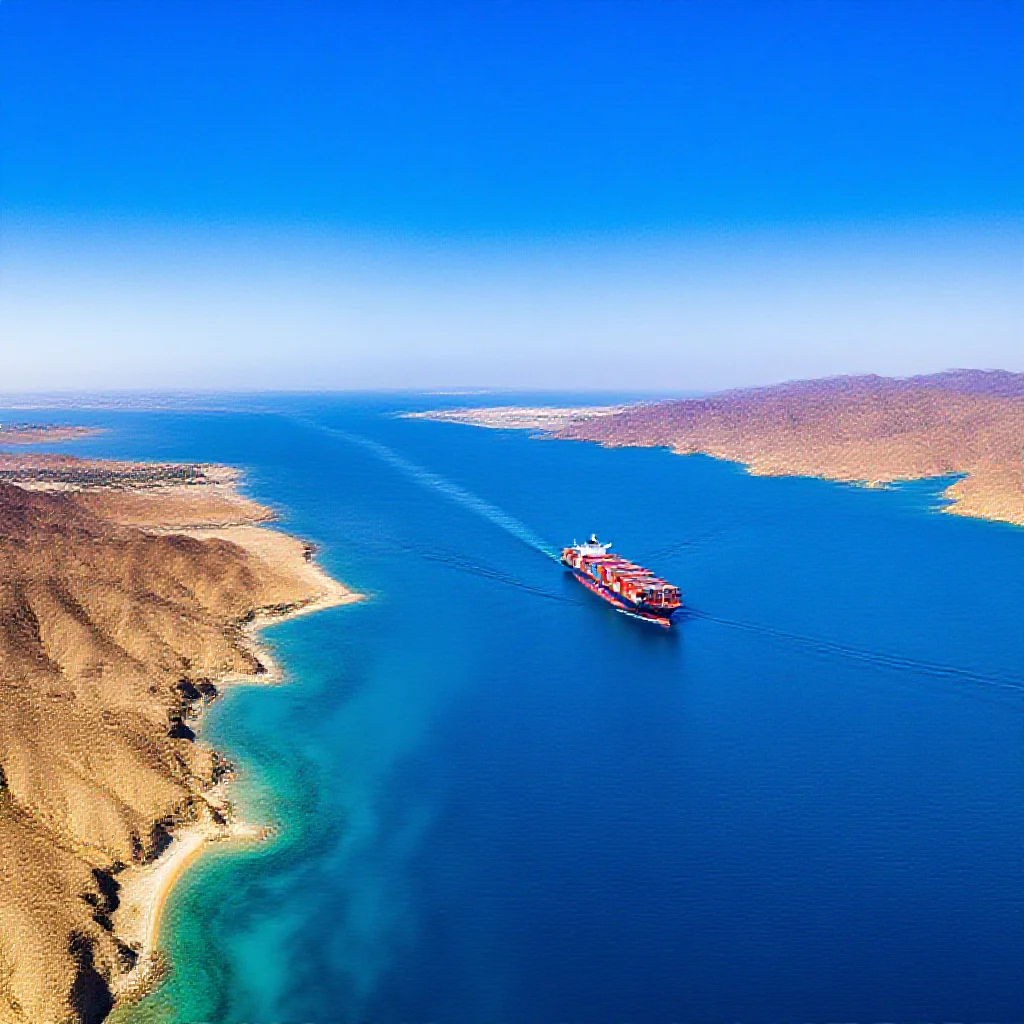
"While the Strait of Hormuz is widely recognized as a critical oil chokepoint,"
Beyond the Oil Shock: How Strait of Hormuz Tensions Are Rewiring Global Supply Chains
Opening Summary
The Strait of Hormuz, a 21-mile-wide maritime passage, is conventionally analyzed through the lens of energy security, given its role in transiting approximately 30% of the world’s seaborne crude oil and petroleum products daily (Source 1: [Primary Data]). However, the strategic vulnerability of this chokepoint presents a systemic threat to globalized trade that extends far beyond hydrocarbon markets. The emerging corporate response—rerouting vessels and absorbing elevated insurance costs—signals a structural shift in global logistics. This analysis examines the economic logic of concentrated risk, the cascading financial and operational impacts on supply chains, and the long-term re-architecting of trade networks away from pure efficiency toward embedded resilience.
The Illusion of an 'Oil-Only' Chokepoint: A Systemic Vulnerability
The predominant focus on energy flows obscures the Strait’s integral function within global containerized trade. The waterway is a critical conduit for general cargo and manufactured goods moving from industrial hubs in East Asia to markets in Europe and the Middle East. This convergence of vital trade lanes represents the hidden economic logic of modern globalization: efficiency gains achieved through geographic concentration create catastrophic single points of failure. The system-wide dependency on this narrow passage means a disruption does not merely spike oil prices but severs a primary artery for a diverse array of commodities and finished goods. The chokepoint’s value is also its vulnerability, exposing a fundamental flaw in trade networks optimized for cost and speed over security and redundancy.The Ripple Effect: From Insurance Premiums to Permanent Reroutes
The immediate financial mechanism transmitting geopolitical risk into commercial cost is the war risk insurance premium. Increases act as an immediate, non-discriminatory tax on all cargo transiting the region, directly impacting profit margins for a wide spectrum of goods. The operational response follows this financial signal. Instructions from shipping companies to vessels to avoid the Strait constitute a strategic shift from managing a variable cost (insurance) to accepting a permanent increase in fixed costs—namely, fuel and time from longer voyages, such as around the Cape of Good Hope. This rerouting decision, grounded in risk assessment, recalibrates the entire cost-benefit analysis for trade on the Asia-Europe corridor. The data point that 20% of global oil consumption passes through this lane (Source 1: [Primary Data]) underscores the scale of traffic now subject to this recalculation.The Slow Realignment: Long-Term Supply Chain Re-Architecting
Persistent risk triggers a slow but fundamental re-architecting of supply chain networks. Corporate logistics strategy is shifting from singular cost optimization to multi-variable optimizations balancing cost, time, and reliability. This involves a reassessment of just-in-time inventory models for goods dependent on the Hormuz route, with higher inventory buffers being evaluated against transit uncertainty. Furthermore, sustained risk accelerates two structural trends: the diversification of supplier bases and the nearshoring or friendshoring of production to mitigate geographic concentration. Alternative transport corridors, such as the China-Europe rail network and the sustained use of the Cape of Africa route, receive a long-term viability boost, not as temporary diversions but as permanent features of a more resilient, albeit less efficient, global trade map.Strategic Implications: Resilience as the New Currency
The evolving situation establishes a new strategic calculus where geopolitical risk assessment is integrated into core operational and financial planning. Resilience is transitioning from a theoretical concept to a quantifiable variable with direct cost implications. For industries and nations, the imperative is to map critical dependencies on this and other chokepoints, stress-test logistics networks, and develop contingency protocols. The market is already assigning a price to this risk, as seen in insurance and freight markets. The long-term prediction is a gradual but measurable decentralization of trade flows. Global supply chains will become more redundant, less reliant on any single geographic nexus, and inherently more expensive. The vulnerability of the Strait of Hormuz has served as a catalyst, revealing that the efficiency-driven model of the past half-century is being systematically reweighted in favor of robustness, altering the foundational architecture of global commerce.Trade Metrics
Related Datasets
Q4 Cross-Border Logistics Report
PDF • 4.2 MB
Automotive Parts Supply Chain Index
CSV • 1.1 MB