Beyond Reopening: The Hidden Logistics Gridlock That Will Delay Persian Gulf

Lisa Park
Supply Chain Editor
April 13, 2026
DATELINE: NA TRADE WIRE
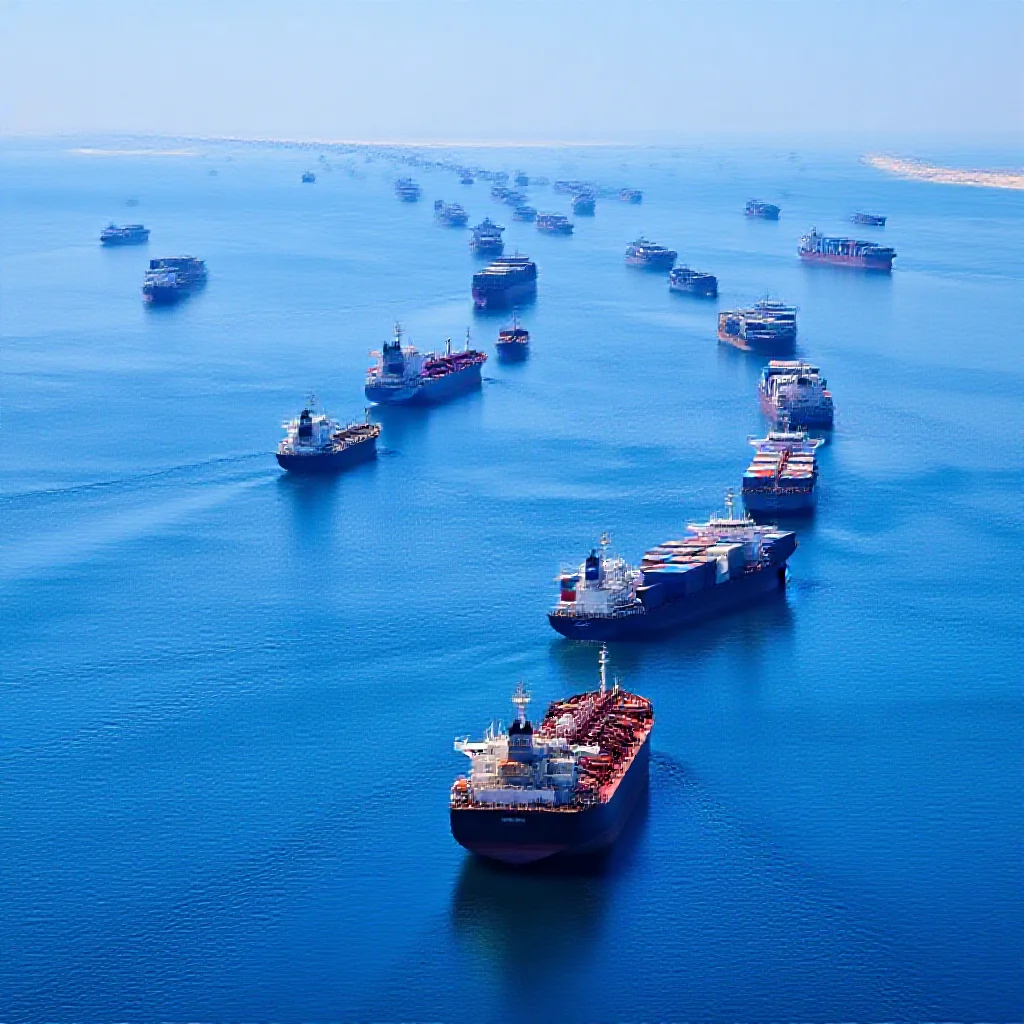
"While the potential reopening of the Strait of Hormuz dominates headlines,"
Beyond Reopening: The Hidden Logistics Gridlock That Will Delay Persian Gulf Recovery
Subtitle: The physical reopening of the Strait of Hormuz is merely the first step in a protracted recovery process, with shipping hesitancy and vessel imbalance creating a multi-month bottleneck for global energy and fertilizer supplies.
---
The Illusion of a Simple Reopening: Why Opening the Gate Isn't Enough
The potential reopening of the Strait of Hormuz is framed as a decisive geopolitical event that would swiftly restore global energy and trade flows. This framing overlooks the operational reality now governing the Persian Gulf. The crisis has fundamentally shifted from a geopolitical blockade to a complex logistics gridlock. Data from maritime analytics firm Kpler indicates the scale of the systemic collapse: daily oil tanker movements through the critical chokepoint have fallen from over one hundred to ten or fewer. (Source 1: [Primary Data]) This near-total cessation of traffic represents not just a closure but a disintegration of the standard maritime logistics cycle. The focus on reopening the physical passage ignores the subsequent, more intricate challenge of restarting a paralyzed shipping ecosystem.
The Great Imbalance: Mapping the Trapped Fleet and the Missing Ships
The operational standoff is defined by a severe vessel imbalance. Analysis of maritime tracking data reveals approximately 400 loaded oil tankers are currently within the Gulf, awaiting the opportunity to exit. (Source 2: [Primary Data]) In contrast, only about 100 empty oil tankers are positioned outside, waiting to enter. (Source 3: [Primary Data]) This 4:1 ratio of loaded-to-empty vessels presents a fundamental problem. The cycle of maritime trade requires empty vessels to enter production zones to collect new cargo. Without these empties, loading terminals cannot function.
The imbalance is even more acute in container shipping. Reports indicate roughly 100 container ships are waiting to exit the Gulf, with virtually none waiting to enter. (Source 4: [Primary Data]) This asymmetry halts the production cycle for all bulk commodities originating in the region. Without the inflow of empty vessels, the loading of crude oil, refined fuels, and critical fertilizers cannot resume, regardless of the strait's operational status.
The Psychology of Risk: Shipping Hesitation as the New Chokepoint
The vessel imbalance is a symptom of a deeper issue: profound commercial risk aversion. Shipping companies face a "first-mover disadvantage" in a post-ceasefire environment. The commercial calculus involves weighing skyrocketing insurance premiums, volatile charter rates, and crew safety against the urgent global demand for commodities. Sending a high-value empty vessel into a region where ceasefire stability is untested represents a significant financial risk.
This corporate risk assessment has become a more powerful barrier to trade resumption than any physical closure. The decision-making process for shipping managers and vessel owners is governed by contractual liabilities, insurance underwriting, and long-term asset preservation. Until a predictable and secure pattern of transit is re-established, the hesitation to commit assets will persist. The chokepoint is no longer a narrow strait but a spreadsheet of risk analysis in corporate offices worldwide.
The Fertilizer Time Bomb: An Overlooked Crisis Within the Crisis
While oil flows dominate headlines, the stranded fertilizer supply constitutes a parallel crisis with significant downstream implications. An estimated 30% of the world's fertilizer supply originates in the Persian Gulf region. (Source 5: [Primary Data]) For these bulk commodities, sea transport is the only viable method for global distribution. (Source 6: [Primary Data])
The prolonged halt of fertilizer shipments disrupts agricultural supply chains with seasonal precision. Farmers in key grain-producing regions operate on tight planting and application schedules. A delay of weeks in receiving fertilizer can compromise crop yields for an entire growing season. The impact of this logistical gridlock, therefore, extends beyond energy markets to global food security timelines, with effects that are delayed but potentially more enduring.
The Long Road to July: Unpacking the Timeline to Normalcy
Industry forecasts suggest that even with an immediate reopening of the Strait of Hormuz, a return to normal oil flows might not be achieved until July. (Source 7: [Primary Data]) This timeline is not arbitrary but a function of sequential logistical steps.
The process requires, first, a coordinated "convoy" or assured corridor for empty vessels to enter the Gulf at scale. Second, these vessels must be allocated to loading terminals, which themselves may require reactivation. Third, the initial wave of 400 loaded tankers must clear the outflow, a process that will take weeks given port congestion and scheduling constraints at global receiving terminals. Only then can a regular rhythm of two-way traffic be re-established. Each step in this sequence is vulnerable to delays from commercial disputes, insurance clearances, and residual security concerns.
Conclusion: Gridlock as the Enduring Challenge
The conclusion is that reopening the Strait of Hormuz solves only the most visible problem. The resumption of normal trade flows is contingent on resolving the subsequent logistical and commercial gridlock. The paralysis of the vessel cycle, driven by risk-averse shipping calculus, will delay the recovery of oil and critical fertilizer shipments for months. This analysis indicates that global supply chains, particularly for energy and agriculture, must prepare for a protracted period of stress extending well beyond the announcement of a geopolitical opening. The bottleneck has moved from geography to logistics.
Trade Metrics
Related Datasets
Q4 Cross-Border Logistics Report
PDF • 4.2 MB
Automotive Parts Supply Chain Index
CSV • 1.1 MB