AI-Powered Supply Chain Optimization Reshaping Global Trade Dynamics

Lisa Park
Supply Chain Editor
September 29, 2026
DATELINE: NA TRADE WIRE
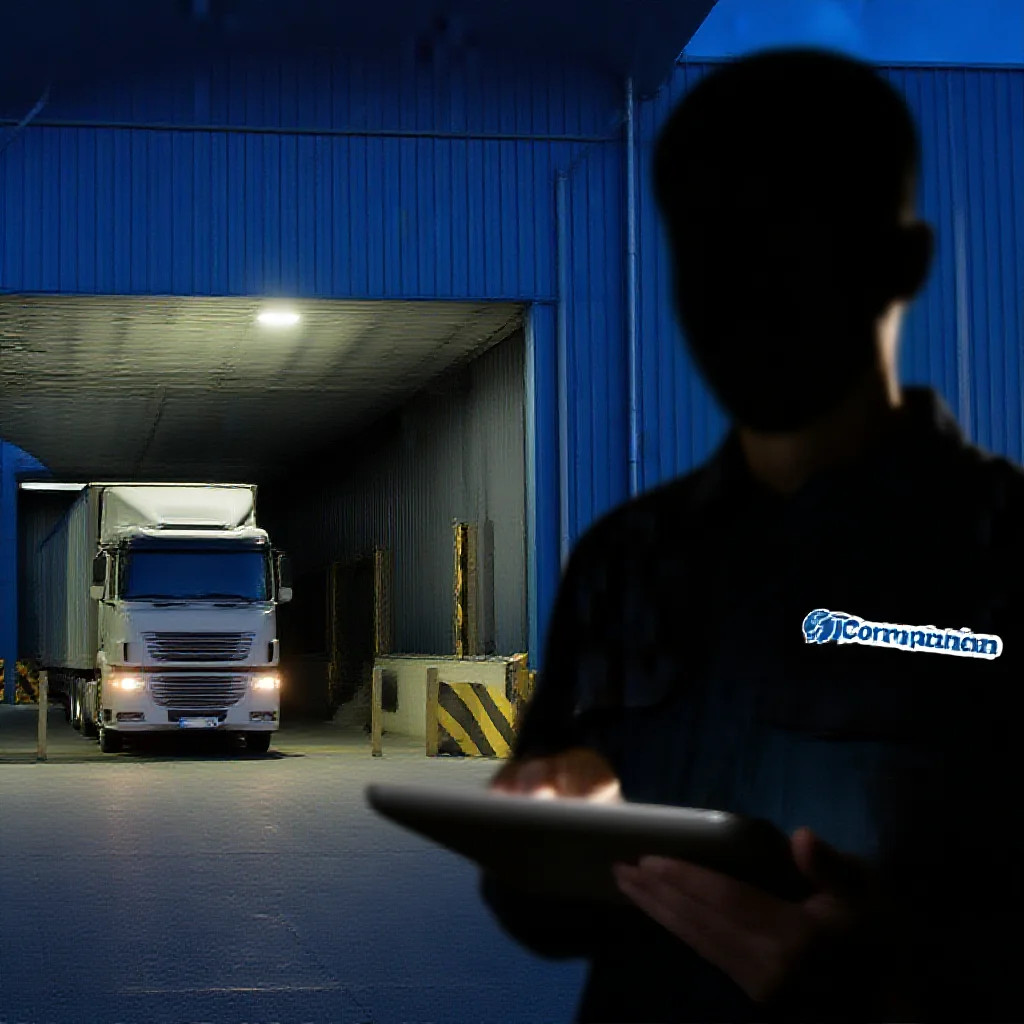
"An analysis of how Artificial Intelligence is transforming supply chain optimization, trade patterns, and manufacturing competitiveness in the North American and global context."
AI-Powered Supply Chain Optimization Reshaping Global Trade Dynamics
Executive Summary
This analysis addresses the significant shift in international business driven by the integration of Artificial Intelligence (AI) into supply chain management. The trend highlights how AI is moving beyond mere data processing to actively optimize complex cross-border trade operations, enhance supply chain resilience against global shocks, and fundamentally alter corporate strategy. The implications for manufacturing, logistics, and investment are substantial, requiring proactive adaptation from businesses and policymakers seeking to maintain competitiveness in an increasingly digitized global economy.
Introduction
The contemporary global trade landscape is characterized by volatility and complexity, demanding sophisticated tools to manage risk and maximize efficiency. Emerging patterns in industry data point toward a fundamental shift: the adoption of Artificial Intelligence to drive supply chain optimization. This technological integration is not merely an incremental improvement; it represents a structural change in how goods move, products are manufactured, and corporate strategies are formulated.
Main Analysis
The application of AI within supply chain operations is centered on predictive analytics, demand forecasting, and autonomous decision-making. These capabilities allow enterprises to model potential disruptions—from geopolitical shifts to logistical bottlenecks—and pre-emptively adjust sourcing, production schedules, and inventory levels. For cross-border commerce, AI systems can analyze vast datasets related to customs procedures, tariff implications, and regulatory compliance in real-time, significantly reducing friction and increasing trade facilitation.
Furthermore, AI is pivotal in the realm of advanced manufacturing. By enabling smart factories, AI drives industrial automation, optimizing energy consumption, and improving quality control in real-time. This capability directly feeds into the concept of advanced manufacturing, allowing firms to achieve higher levels of operational agility and responsiveness to market demands.
Trade Impact
International Trade and Cross-Border Commerce: AI tools enhance the speed and accuracy of cross-border transactions. This increased efficiency lowers the transactional costs associated with customs and logistics, thereby making regional trade flows more competitive. However, this also creates a competitive divide, favoring entities with the technological capacity to implement these AI solutions.
Supply Chain Resilience: Perhaps the most critical impact is on resilience. AI allows for dynamic rerouting and inventory management in response to unforeseen events. This capability moves supply chains from reactive problem-solving to proactive risk mitigation, which is essential in an era of climate volatility and geopolitical instability.
Manufacturing: For manufacturers, AI integration supports the transition toward smart manufacturing. This includes optimizing production line efficiency, reducing waste, and enabling rapid product iteration, which strengthens the competitive position of domestic and international production bases.
Corporate Strategy and Investment: Investment decisions are increasingly being influenced by a company's demonstrated ability to leverage AI for operational excellence. This necessitates a strategic pivot where capital allocation prioritizes digital infrastructure and AI talent development within the supply chain ecosystem.
Regional Perspective
The adoption of AI in supply chains has distinct implications for the North American economic sphere. In the United States, this trend fuels investment in digital infrastructure and high-tech manufacturing clusters capable of hosting advanced AI applications. Canada and Mexico, as key nodes in the North American manufacturing corridor, stand to benefit from increased cross-border logistics efficiency. The ability to rapidly analyze and adapt to trade policy shifts—whether under USMCA frameworks or evolving tariff regimes—becomes more tractable when supported by AI-driven intelligence.
For the USMCA partners, AI offers a pathway to deepen regional integration by creating more seamless digital corridors for goods and services. The focus shifts from simply moving goods across borders to optimizing the entire integrated production and distribution network.
Future Outlook
Over the next three to five years, the trajectory suggests deeper embedding of AI across the entire value chain. We anticipate further advancements in Industrial AI and the development of specialized AI models tailored for specific sectors, such as agriculture, energy, and pharmaceuticals. The convergence of AI with robotics and the Internet of Things (IoT) will create fully autonomous manufacturing environments.
Infrastructure investment will increasingly focus on the digital backbone—high-speed connectivity and data centers—to support these AI applications. The energy sector will also see increased focus on optimizing energy grids through AI to manage the demands of electrified and automated industries. Consequently, North America's long-term industrial competitiveness will be determined not just by physical assets, but by the sophistication of its digital and AI capabilities in managing intricate, cross-border supply chains.
Conclusion
The integration of Artificial Intelligence into supply chain management is a defining theme of the modern trade era. It is a catalyst for operational transformation, demanding a strategic response from businesses to harness its potential for enhanced efficiency and resilience. For policymakers, the challenge lies in fostering an environment that encourages the adoption of this technology while maintaining robust frameworks for data governance and investment security. The winners in the coming years will be those who strategically deploy AI not just for marginal gains, but for systemic transformation of their trade and manufacturing operations.
Key Takeaways
AI is shifting supply chain management from reactive to predictive optimization. Enhanced cross-border trade efficiency depends on leveraging AI for real-time regulatory and logistical analysis. Manufacturing competitiveness hinges on the ability to integrate AI for smart factory operations and rapid adaptation. Investment focus is moving toward digital infrastructure and AI talent development. Future resilience will be driven by AI's capacity for dynamic risk mitigation.SEO Keywords
North America Trade, USMCA, Cross-border Trade, Supply Chain, Manufacturing, Nearshoring, Foreign Direct Investment, Industrial Policy, Trade Policy, Logistics, Digital Economy, Critical Minerals, Business Strategy, Regional Trade, Economic Development, North American Economy, Advanced Manufacturing, AI, Supply Chain Resilience, Infrastructure, Energy, Energy Security, Investment Banking, Trade Finance.Suggested URL Slug
ai-powered-supply-chain-optimization-trade-trendsSources
[Reference URL provided in prompt]Trade Metrics
Related Datasets
Q4 Cross-Border Logistics Report
PDF • 4.2 MB
Automotive Parts Supply Chain Index
CSV • 1.1 MB