Beyond Greenwashing: The 2026 Blueprint for a Profitable & Sustainable Chemical

Lisa Park
Supply Chain Editor
April 18, 2026
DATELINE: NA TRADE WIRE
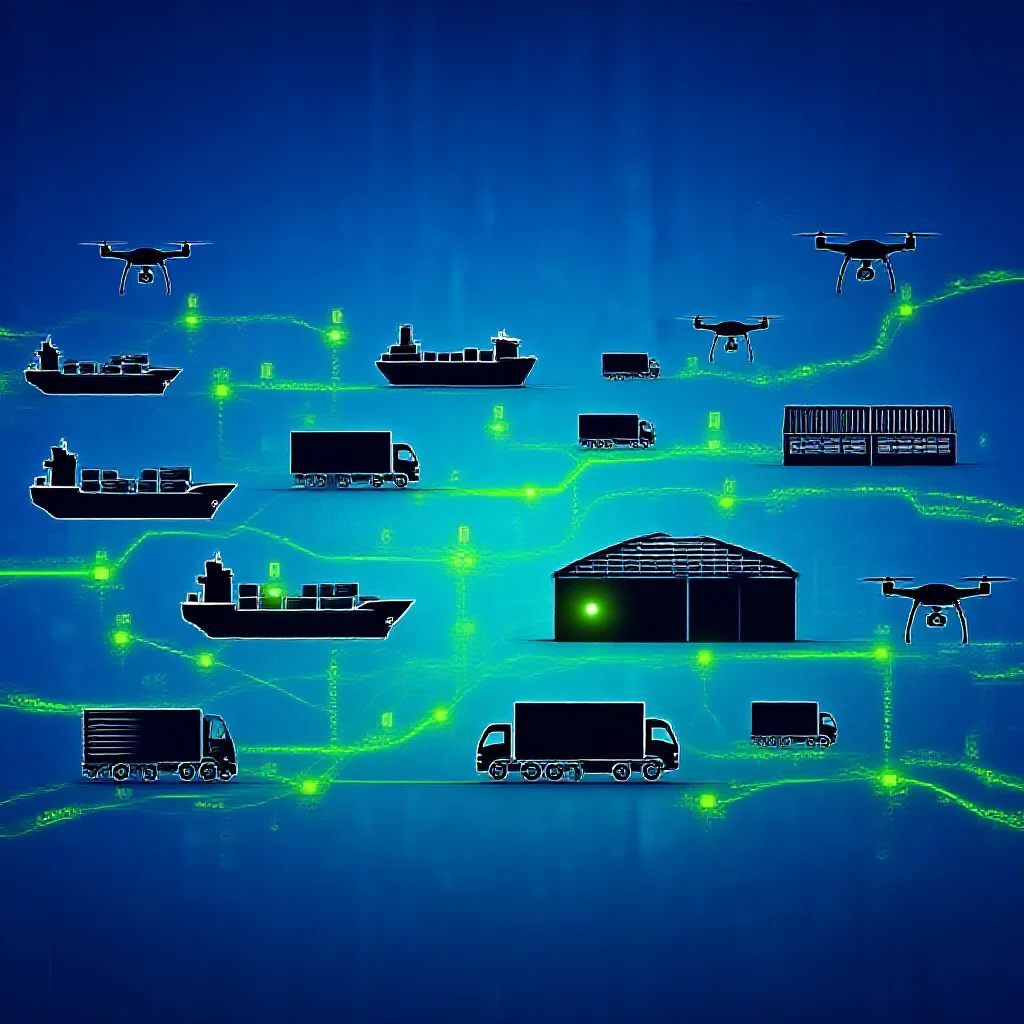
"The push for sustainability in chemical logistics is evolving from a compliance"
Beyond Greenwashing: The 2026 Blueprint for a Profitable & Sustainable Chemical Supply Chain
Introduction: The Pivot from Cost Center to Value Engine
The historical narrative framing sustainability in chemical logistics as a regulatory compliance cost is obsolete. The operational paradigm is undergoing a fundamental recalibration. By 2026, a new blueprint emerges where environmental stewardship and economic performance are not competing priorities but algorithmically aligned objectives. The transformation is driven by the synergistic integration of a digital intelligence layer with a reconfigured physical asset base. Profitability in this new era will be derived from the systematic elimination of operational waste—in energy, materials, and capacity—enabled by this dual-track approach. The thesis is clear: sustainability data is transitioning from a reporting obligation to a form of strategic capital that rewires supply chain economics.
The Digital Nervous System: AI, IoT, and Data as the New Currency
The foundation of the 2026 supply chain is a digital nervous system composed of Artificial Intelligence (AI) and the Internet of Things (IoT). This system moves beyond basic route optimization to predictive, autonomous network modeling. AI algorithms synthesize real-time data on traffic, weather, port congestion, and vehicle performance to dynamically reconfigure logistics flows. The primary outcome is the simultaneous minimization of empty miles, fuel consumption, and associated greenhouse gas emissions. A study by the MIT Center for Transportation & Logistics indicates that advanced predictive analytics can reduce logistics costs by 15% and emissions by 20% in complex distribution networks (Source 1: [Primary Data]).
This digital layer transforms emissions tracking into real-time, granular carbon accounting. IoT sensors on tankers, railcars, and storage facilities provide continuous streams of data on fuel burn, refrigeration load, and idle times. This enables precise calculation of Scope 3 emissions, a critical metric for downstream customers. The data becomes monetizable, not only through operational savings but also by providing the auditable evidence required for carbon credit markets and green financing instruments. The World Economic Forum has identified such digital transparency as a key enabler for decarbonizing global supply chains (Source 2: [Primary Data]).
The Physical Layer Transformation: Fuels, Fleets, and Circular Flows
The digital blueprint must execute upon a transformed physical layer. The 2026 strategy involves a calculated, phased adoption of alternative propulsion systems. The operational mix is not monolithic but strategically segmented: biofuels for existing marine and heavy-duty fleets, hydrogen fuel cells for long-haul trucking corridors with developing infrastructure, and battery-electric vehicles for short-haul and last-mile distribution. The economic logic is based on total cost of ownership analysis, factoring in volatile fossil fuel prices, anticipated carbon taxation, and infrastructure development timelines.
Concurrently, circular economy models are being structurally embedded into logistics design. This extends beyond recycling to encompass logistics-enabled circularity. Practices include designing reusable and returnable intermediate bulk containers (IBCs), establishing reverse logistics networks for catalyst recovery, and configuring transportation for waste-to-feedstock loops. The hidden economic logic is the reduction of virgin material dependency, which insulates companies from commodity price volatility and creates new revenue streams from secondary materials. This transforms logistics from a linear cost center into a participant in a circular value loop.
The Trust Infrastructure: Blockchain's Role in Unlocking Green Premiums
Technological transparency evolves from an audit tool to a direct mechanism for value creation. Blockchain-based platforms provide an immutable, shared ledger for documenting the provenance and lifecycle of sustainable practices. This can include verifiable records of green fuel consumption, certified ethical sourcing of raw materials, and adherence to responsible care principles throughout transportation.
This trust infrastructure is critical for realizing "green premiums." In business-to-business transactions, chemical companies can provide downstream manufacturers—particularly in consumer goods, automotive, and electronics—with irrefutable proof of a lower carbon footprint for their inputs. This directly supports the manufacturers' own sustainability reporting and product marketing claims. Consortium-led pilots, such as those by the Together for Sustainability (TfS) initiative, are demonstrating how blockchain can streamline complex sustainability documentation across multiple tiers of the supply chain (Source 3: [Primary Data]). The result is a market where superior environmental performance, because it is reliably verified, commands a tangible economic advantage.
Conclusion: The Convergence as Competitive Imperative
The analysis indicates a definitive market trajectory. The convergence of digital optimization and physical innovation creates a self-reinforcing cycle: better data enables more efficient asset utilization and cleaner technologies, which in turn generate more valuable sustainability data. By 2026, this integrated approach will cease to be a differentiator and will become a baseline requirement for competitiveness in chemical logistics.
The primary prediction is the rise of the "sustainable logistics premium" as a standard component of procurement evaluations. Logistics providers and chemical shippers that fail to architect their operations around this dual-track blueprint will face escalating operational costs from inefficiency and carbon pricing, coupled with diminishing market access as partners demand verified sustainable performance. The transformation is not ideological but economic; the supply chain is being rewired where environmental and financial efficiency share the same circuitry.
Trade Metrics
Related Datasets
Q4 Cross-Border Logistics Report
PDF • 4.2 MB
Automotive Parts Supply Chain Index
CSV • 1.1 MB