Navigating North American Trade Integration: Strategy in an Era of USMCA and Nearshoring

James Wilson
Industry Analyst
September 20, 2026
DATELINE: NA TRADE WIRE
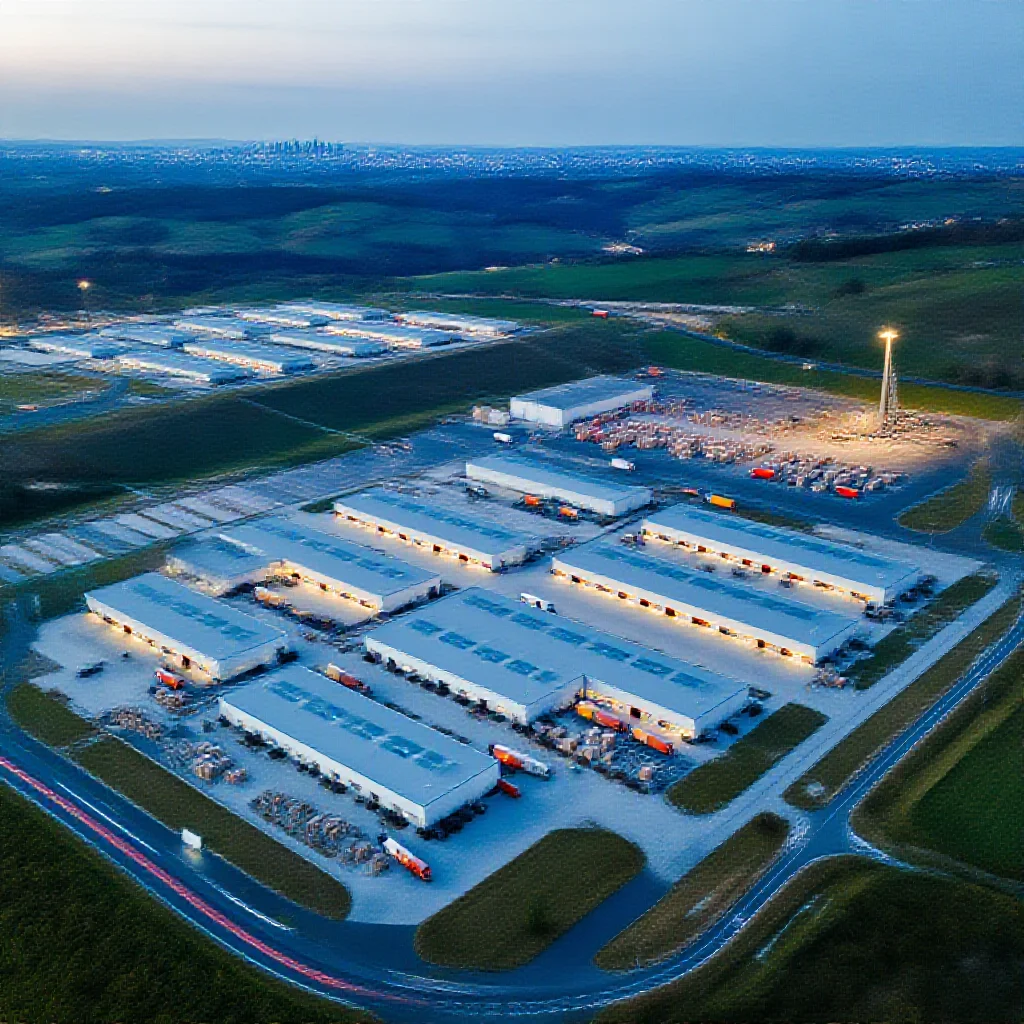
"An analysis of the strategic implications of USMCA, nearshoring trends, and evolving trade policy on North American manufacturing, supply chains, and investment."
The North American economy is currently characterized by a complex interplay of regional integration efforts, evolving trade policies, and the strategic imperative of supply chain resilience. The framework established by the United States-Mexico-Canada Agreement (USMCA) continues to serve as a foundational element, but its ongoing implementation, coupled with geopolitical shifts, is driving a strategic pivot toward deeper regional integration and supply chain restructuring.
The USMCA Framework and Trade Policy Implications
While the USMCA provides a critical roadmap for cross-border commerce by modernizing rules of origin and addressing digital trade, its impact on long-term industrial competitiveness is contingent on consistent policy execution and proactive corporate strategy. The agreement aims to streamline customs processes and reduce barriers, yet ongoing trade policy discussions, particularly concerning tariffs and digital regulation, present continuous risk management challenges for exporters and importers.
The Nearshoring Imperative in Manufacturing
A significant trend shaping the industrial landscape is the acceleration of nearshoring—the strategic relocation of production closer to end markets. This movement is not merely a logistical adjustment but a fundamental shift in corporate investment strategy, driven by the need to mitigate geopolitical risk and enhance supply chain visibility. This trend is particularly pronounced in sectors requiring complex manufacturing processes, such as advanced automotive components, electronics, and aerospace.
Manufacturing Modernization and Industrial Policy
To capitalize on this regional realignment, North American manufacturers are focusing heavily on industrial modernization. This involves significant capital allocation toward smart manufacturing technologies, including the integration of Artificial Intelligence (AI) and the Industrial Internet of Things (IoT). The adoption of these technologies is central to building supply chain resilience, enabling real-time data flow across domestic and cross-border operations. Industrial policy responses in the region are increasingly focused on incentivizing investment in advanced manufacturing capabilities, often tied to digital infrastructure and workforce development initiatives.
Logistics and Infrastructure as Strategic Enablers
The success of nearshoring and regional trade hinges on robust logistics and transportation infrastructure. Investments in cross-border logistics hubs, including ports, rail networks, and digital infrastructure, are vital for ensuring efficient cross-border commerce. Furthermore, the push for energy transition and the development of critical mineral supply chains necessitate strategic investments in energy infrastructure and renewable sources to secure the long-term operational costs and environmental compliance for manufacturing clusters.
Investment and Regional Development
Foreign Direct Investment (FDI) is increasingly flowing into North America, often targeting specific industrial clusters that offer strategic advantages in trade access and proximity to key markets. This investment is being directed toward creating regional headquarters and fostering innovation ecosystems. The long-term economic development strategy relies on fostering strong public-private partnerships to align infrastructure projects with private sector investment goals, ensuring that regional growth is both economically vibrant and sustainable.
Future Outlook
Over the next three to five years, the trajectory for North American trade will likely be defined by the convergence of several forces. First, the maturation of nearshoring will solidify regional manufacturing footprints, potentially leading to the emergence of specialized industrial clusters within the USMCA zone. Second, the integration of AI and automation will become standard practice in advanced manufacturing, fundamentally altering production efficiency and supply chain responsiveness. Third, policy debates will intensify around digital regulation and the sustainability of supply chain investments, with a strong focus on ensuring that industrial competitiveness is maintained amidst fluctuating global trade environments. The emphasis will shift from simple tariff mitigation to building deeply embedded, resilient, and technologically advanced cross-border economic ecosystems.
Trade Metrics
Related Datasets
Q4 Cross-Border Logistics Report
PDF • 4.2 MB
Automotive Parts Supply Chain Index
CSV • 1.1 MB