Beyond the Bench: The Strategic Economics of NCAA Basketball''s Assistant

James Wilson
Industry Analyst
April 18, 2026
DATELINE: NA TRADE WIRE
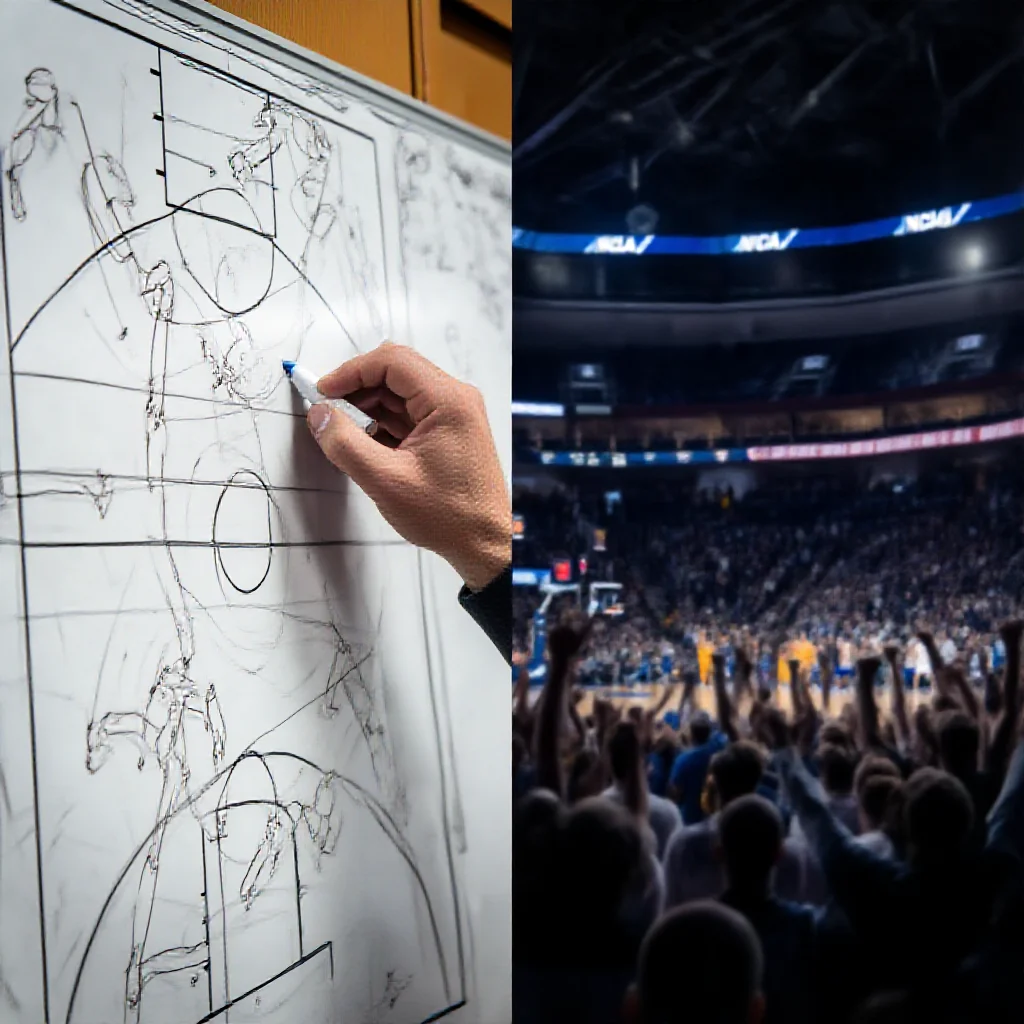
"The reported move by North Carolina to hire a top assistant from Mike Malone's"
Beyond the Bench: The Strategic Economics of NCAA Basketball's Assistant Coach Hiring Frenzy
Opening Summary
On April 8, 2026, Forbes reported that the University of North Carolina is finalizing the hire of a top assistant coach from the staff of NBA head coach Mike Malone (Source 1: [Forbes, April 8, 2026]). This transaction extends beyond routine staff turnover. It represents a calculated investment in a specific class of coaching talent, reflecting a strategic shift in the market dynamics of elite NCAA basketball. The move underscores a growing premium on assistants with proven NBA pedigrees, a trend driven by the pursuit of competitive advantages in player development, tactical innovation, and elite recruitment.
The Transaction: Decoding North Carolina's Strategic Play
The reported hire must be contextualized within North Carolina's operational objectives. Following a period of intense competition within the Atlantic Coast Conference and nationally, the program's strategic goal is to secure a sustainable talent development pipeline. The specific targeting of a "top assistant from Mike Malone's staff" is a proxy for acquiring NBA-caliber systematic intelligence. Mike Malone-led teams are analytically recognized for structured offensive sets and defensive discipline. An assistant from this environment carries implicit certification in modern professional schemes and player development methodologies. This hiring decision, therefore, is not merely a personnel change but a capital allocation decision within a specialized segment of the coaching talent market. The asset being acquired is a bundle of knowledge, credibility, and network connections derived from the NBA ecosystem.The Hidden Market: The Economics of Coaching Provenance
A distinct market has emerged for "NBA-proven" assistants within the NCAA. The fundamental economic drivers are scarcity and signaling. Assistants with substantive experience on respected NBA staffs represent a limited supply. Their hiring sends a high-value signal to multiple stakeholders: prospective recruits, their families, and influential grassroots coaches. The signal communicates a program's commitment to professional preparation. A cost-benefit analysis is applied by athletic departments. The salary premium required to attract such an assistant—which can now reach or exceed seven figures at elite programs—is weighed against the expected return on investment. This ROI is primarily calculated in terms of increased probability of securing five-star recruits and the subsequent on-court success that drives tournament revenue, brand enhancement, and donor engagement. This trend disrupts the traditional, insular "coaching tree" model prevalent in college sports, establishing a new, cross-league talent supply chain where the NBA serves as a credentialing institution.Long-Term Impact on the College Basketball Value Chain
The long-term impact of this strategic hiring operates through multiple channels in the college basketball value chain. The primary ROI channel is recruiting. An NBA staff credential functions as a powerful tool in persuading elite prospects focused on professional futures. It offers tangible evidence of a development pathway aligned with the next level. The secondary impact is on-court product evolution. The systematic importation of NBA spacing concepts, pace management, and defensive coverage schemes provides a tangible tactical edge over competitors reliant on more traditional collegiate systems. This creates a measurable performance differential. The aggregate effect of these moves by market leaders like North Carolina is increased competitive pressure on other blue-blood programs. This pressure will likely force similar investments, raising the overall cost structure for top-tier coaching talent across the NCAA. The market equilibrium is shifting toward higher fixed costs for human capital to maintain competitive parity.Verification and Credibility: Sourcing the Narrative
This analysis is anchored in the specific factual report from Forbes (Source 1: [Forbes, April 8, 2026]). The credibility of the source establishes the news peg. The precise mention of "Mike Malone's staff" is not incidental; it validates the NBA system pedigree as a key variable in the transaction. This specificity allows for a deductive analysis of the asset's perceived value, contrasting it with hires from other pipelines such as internal promotions or from other college staffs. The trend is further corroborated by observable market behavior over preceding years, where appointments of assistants from professional leagues have incrementally increased at major programs.Neutral Market Prediction
The logical trajectory of this trend points toward continued market segmentation. The valuation gap between assistants with demonstrable NBA development expertise and those without will likely widen at the highest levels of NCAA competition. This will formalize a two-tiered market for coaching talent. Furthermore, the flow of tactical information and development philosophies from the NBA to the NCAA will accelerate, leading to a more homogenized, professional-style product at the elite collegiate level. A countervailing force may emerge in the form of budgetary constraints at non-blue-blood programs, potentially exacerbating competitive imbalance. The strategic economics of assistant coach hiring have become a definitive front in the arms race of college basketball, with North Carolina's reported move serving as a latest, clear indicator of the market's evolution.Trade Metrics
Related Datasets
Q4 Cross-Border Logistics Report
PDF • 4.2 MB
Automotive Parts Supply Chain Index
CSV • 1.1 MB