How Global Business Trends Are Driving New Strategies in North America

James Wilson
Industry Analyst
August 30, 2026
DATELINE: NA TRADE WIRE
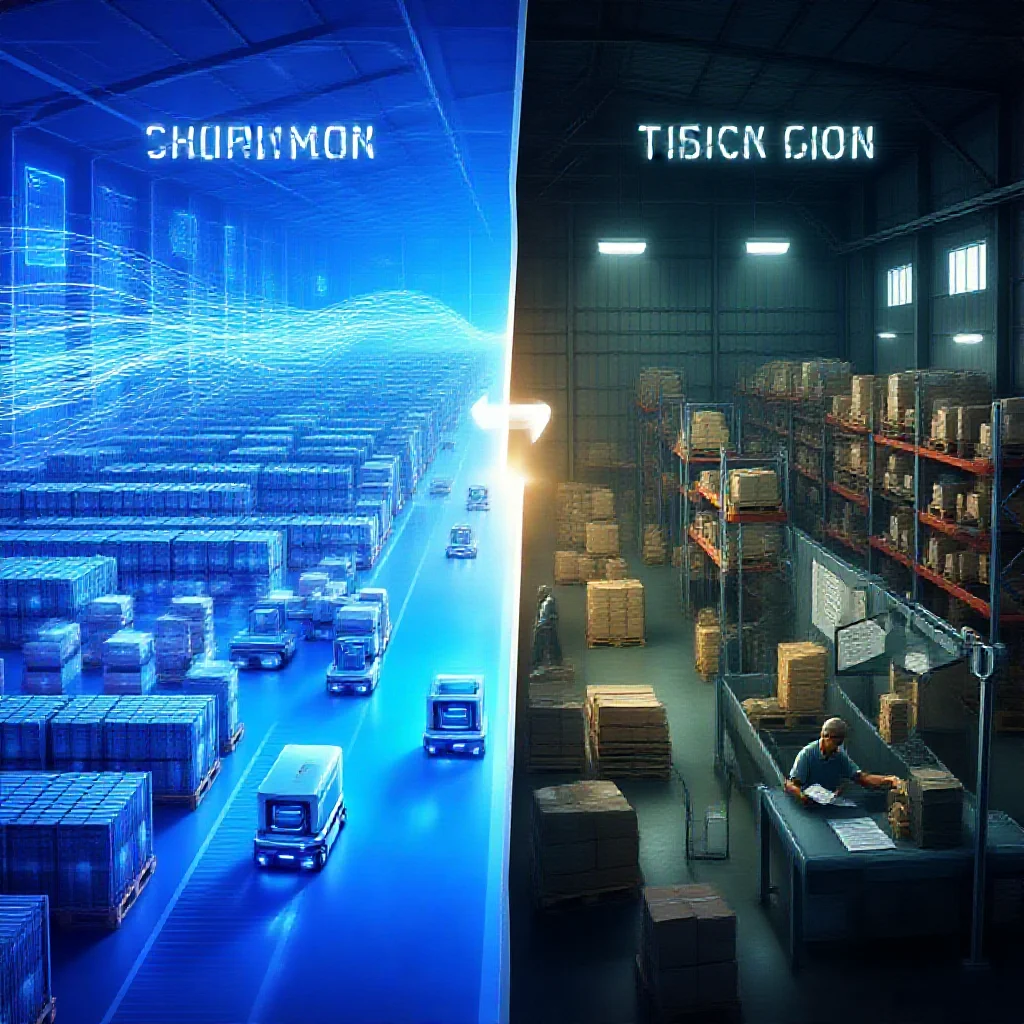
"A comprehensive analysis of emerging global business trends and their implications for trade, investment, and competitiveness in the United States, Canada, and Mexico."
How Global Business Trends Are Driving New Strategies in North America
The transformation of the global business environment is forcing companies to rethink their strategies, adapt to new realities, and embrace regional integration.
Executive Summary
The global business landscape is undergoing a fundamental shift. Technological advancements, demographic changes, geopolitical tensions, and the aftermath of the pandemic have created a volatile and complex environment. For North American businesses, these trends present both challenges and opportunities. This article provides a strategic analysis of how these global trends are influencing corporate decision-making, trade flows, and investment decisions across the United States, Canada, and Mexico. It underscores the critical role of USMCA in fostering regional integration and highlights the need for enterprises to adopt agile strategies, invest in innovation, and build resilient supply chains to thrive in the coming decade.
Introduction
The international business environment has always been subject to change, but the pace and depth of transformation in recent years are unprecedented. From the rapid adoption of artificial intelligence to the reordering of global supply chains, companies face a new set of forces that demand strategic recalibration. North America, as one of the world’s most economically integrated regions, is at the forefront of this change. The United States, Canada, and Mexico are intertwined through trade, investment, and shared supply chains, yet each country confronts distinct challenges and opportunities. Understanding the broader global trends and their local manifestations is essential for businesses seeking long-term success in this dynamic landscape.
Main Analysis
Technological Advancement and Digital Transformation
Technology remains a dominant force reshaping global business. Artificial intelligence (AI), cloud computing, the Internet of Things (IoT), and advanced robotics are transforming manufacturing, logistics, and services. Companies across North America are integrating these technologies to improve operational efficiency, reduce costs, and enhance decision-making. In manufacturing, the concept of smart factories is gaining traction, where connected systems and data analytics drive real-time optimization. For businesses, this means not only adopting new tools but also rethinking their business models and skill sets. The digital economy is expanding rapidly, creating new market opportunities while also increasing competition both regionally and globally.
Supply Chain Reconfiguration and Nearshoring
The pandemic exposed vulnerabilities in global supply chains, prompting a strategic shift from efficiency to resilience. As a result, many North American companies are reevaluating their sourcing strategies, moving away from distant suppliers and embracing nearshoring and reshoring. Mexico is becoming a critical manufacturing hub for the United States and Canada, given its geographical proximity, trade agreements, and competitive labor costs. This trend is reshaping the regional manufacturing map, with greater collaboration across borders. For instance, the automotive and electronics sectors are witnessing increased investment in Mexico, while the United States is boosting domestic production in areas such as semiconductors and critical minerals. This logical restructuring is aligning with the goals of USMCA to enhance regional supply chain integration.
Demographic Shifts and Workforce Dynamics
Changing demographics, including aging populations in developed economies and a younger workforce in Mexico, are creating new labor market realities. In the U.S. and Canada, companies face labor shortages in certain sectors, spurring investments in automation and robotics. In Mexico, the youth population offers a demographic dividend, but there is a pressing need for skill development and education to meet the demands of advanced manufacturing. Companies must adapt by investing in workforce development, embracing flexible work models, and fostering collaboration between educational institutions and industry.
Geopolitical and Trade Policy Uncertainty
Geopolitical tensions, particularly between the U.S. and China, are influencing trade policies and investment decisions. Businesses are increasingly factoring in political risk when designing their international operations. The USMCA provides a measure of stability, but ongoing policy debates, including potential tariffs and regulatory changes, create uncertainty. For North American businesses, the ability to navigate this complex policy environment is essential. Trade compliance, customs modernization, and understanding of trade remedies are becoming critical competencies.
Trade Impact
The trends outlined above have significant implications for international trade and cross-border commerce within North America. The shift toward nearshoring is boosting intra-regional trade, as components and finished goods move more freely among the U.S., Mexico, and Canada. USMCA rules, particularly those related to rules of origin, are shaping production decisions and encouraging domestic sourcing. For exporters and importers, this means potential changes in tariff classifications and supply chain costs. Moreover, increased investment in infrastructure, such as ports, rail connectivity, and border crossings, is essential to accommodate growing trade flows. The digitalization of trade processes, including e-commerce and digital documentation, is also modernizing customs procedures, reducing delays, and lowering transaction costs.
Regional Perspective
United States: The U.S. is focusing on industrial policy to strengthen domestic manufacturing, particularly in semiconductors, electric vehicle batteries, and renewable energy technologies. The CHIPS Act and Inflation Reduction Act are expected to catalyze investment and reshape supply chains. For other North American companies, this creates opportunities for collaboration and deeper integration in these high-tech sectors.
Canada: Canada’s economy is highly integrated with the U.S., and its vast natural resources make it a critical partner in energy and critical minerals. The country is also investing in clean energy and digital infrastructure. However, Canada must address productivity challenges and diversify its trade beyond the U.S. to attract foreign direct investment and foster innovation.
Mexico: Mexico is emerging as a major beneficiary of nearshoring trends, attracting significant foreign investment in manufacturing and logistics. With the right policies, Mexico can enhance its position as a global export platform. However, challenges related to energy security, rule of law, and intellectual property protection must be addressed to sustain this momentum. Improving infrastructure along the U.S.-Mexico border is also crucial for smooth cross-border trade.
Future Outlook
Looking ahead to the next 3–5 years, North America is likely to see deeper trade integration as businesses prioritize regional resilience over global efficiency. The adoption of AI and automation will accelerate, transforming the manufacturing workforce and increasing productivity. Investments in critical minerals, clean energy, and advanced manufacturing will shape the region's competitive landscape. USMCA will remain the cornerstone of regional trade, but it may need to be updated to address emerging issues such as data flow and digital trade. Additionally, infrastructure development and workforce training will be pivotal to ensuring that the benefits of nearshoring are broadly shared.
For businesses, success will depend on the ability to anticipate these trends and adapt quickly. Developing regional supply chains, investing in digital capabilities, and fostering partnerships across borders will be essential strategies. The environment is challenging, but for those that navigate it strategically, North America offers a resilient and dynamic market ripe with opportunities.
Conclusion
The global business environment is a complex web of forces, but North America is well-positioned to thrive. By understanding these trends and implementing effective strategies, businesses can not only survive but also succeed in this new era. The region’s economic integration, bolstered by USMCA and a shared commitment to innovation, provides a strong foundation for long-term competitiveness. As global commerce continues to evolve, North American companies must stay nimble, embrace change, and forge a path that ensures prosperity for the entire region.
Trade Metrics
Related Datasets
Q4 Cross-Border Logistics Report
PDF • 4.2 MB
Automotive Parts Supply Chain Index
CSV • 1.1 MB