The Quiet Revolution: How Gardening''s Resurgence is Reshaping Consumer Economics

James Wilson
Industry Analyst
April 8, 2026
DATELINE: NA TRADE WIRE
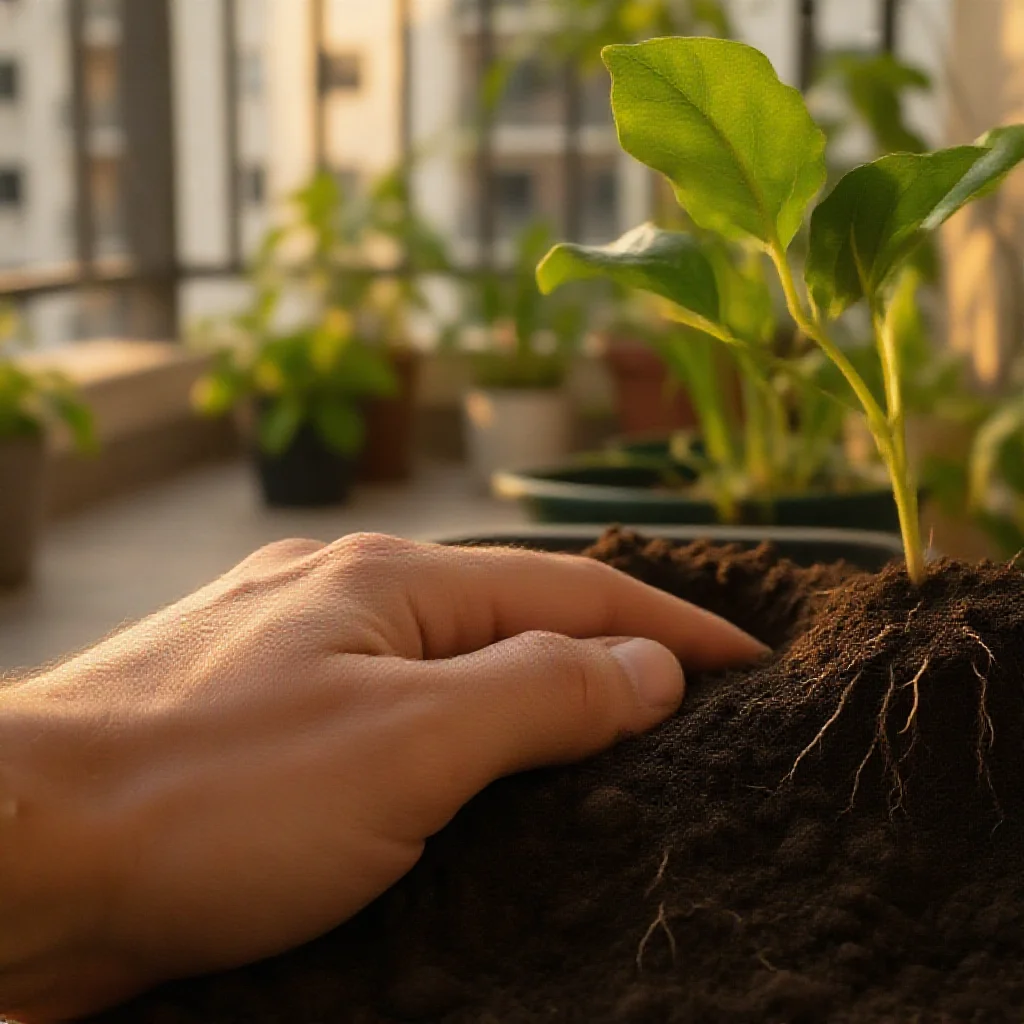
"The cultural resurgence of gardening, highlighted in a 2026 Forbes analysis,"
The Quiet Revolution: How Gardening's Resurgence is Reshaping Consumer Economics
Introduction: More Than a Hobby – Gardening as an Economic Signal
A 2026 analysis by consumer expert Kate Hardcastle in Forbes frames the cultural resurgence of gardening not as a fleeting pastime but as a substantive economic indicator (Source 1: Forbes, April 7, 2026). This movement represents a measurable pivot in consumer behavior, redirecting capital—defined as financial expenditure, temporal allocation, and health investment—away from traditional consumption channels. The proliferation of gardening activity serves as a proxy for deeper, systemic shifts in value assessment. This analysis decodes the market logic underpinning this trend, examining its catalytic effect on supply chains, urban development, and long-term industry forecasts.
The Three Pillars of Investment: Home, Health, and Time
Consumer engagement in gardening manifests as a tripartite investment strategy, redefining conventional spending categories.
Home as Appreciating Ecosystem: Expenditure is redirected from decorative home goods to functional, asset-enhancing infrastructure. This includes smart irrigation systems, specialized lighting, greenhouse installations, and premium landscaping services. The home is increasingly viewed as a productive, value-generating ecosystem rather than a passive container for retail goods.
Health as Preventative Capital: Spending on organic seeds, heirloom cultivars, and soil amendments is rationalized as preventative healthcare. This investment is positioned as a cost-avoidance strategy against future medical expenditures, with the act of gardening itself linked to measurable mental well-being outcomes. The economic calculation shifts from treating illness to funding activities that promote holistic health.
Time as a Valued Commodity: The deliberate choice to allocate hours to gardening signifies a reprioritization of time management. This time is assigned a higher economic value than equivalent hours spent on passive digital entertainment or secondary, income-generating work. The activity is categorized as experiential production, yielding non-financial returns in satisfaction, skill acquisition, and tangible produce.
The Hidden Supply Chain Revolution
The economic impact extends beyond point-of-sale transactions, instigating a restructuring of upstream supply networks.
Localized and Circular Systems: Demand is fostering hyper-local supply chains, benefiting independent nurseries, regional seed banks, and artisanal toolmakers. Concurrently, circular models are gaining traction, evidenced by the growth of community compost initiatives and seed-swapping networks. These systems present a disruptive counterpoint to the centralized logistics of big-box retail and industrial agriculture.
Convergence with Technology: Traditional horticulture is merging with advanced sectors. Biotechnology is responding with disease-resistant and climate-adapted plant varieties. The Internet of Things (IoT) sector is delivering sensor networks for soil monitoring and automated micro-climate control. This convergence is creating a new hybrid market category at the intersection of agritech and consumer wellness.
Verification and Credibility: Sourcing the Trend
The observation of this shift is anchored in documented reportage. The April 7, 2026 Forbes article by Kate Hardcastle provides a primary journalistic validation of the trend's commercial significance (Source 1: Forbes, April 7, 2026). This source transitions the discussion from anecdotal observation to the analysis of a recorded market phenomenon. For a comprehensive view, this primary source must be cross-referenced with quantitative datasets, including home and garden retail sales figures, wellness economy market reports, and time-use surveys published by statistical agencies. This multi-source validation establishes a credible foundation for forecasting.
Long-Term Implications for Industry and Urban Planning
The gardening trend's economic logic suggests sustained, long-term implications across multiple sectors.
Real Estate and Development: Property value assessments will increasingly factor in bioclimatic design, productive green space, and access to community gardens. Urban planning mandates may evolve to incorporate agricultural yield per square foot as a metric for sustainable development, influencing zoning laws and architectural standards.
Retail and Manufacturing: Traditional consumer goods retailers face continued pressure as spending reallocates to experiential and productive categories. Manufacturers must adapt to demand for durable, repairable tools and sustainable inputs, moving away from disposable consumption models.
Financial Services and Insurance: New product categories may emerge, such as "green asset" insurance for private gardens or investment vehicles focused on sustainable urban agriculture ventures. Health insurers may develop incentives linked to preventative, nature-based activities.
The resurgence of gardening is a measurable symptom of a broader economic recalibration. It signals a consumer base increasingly allocating capital toward sovereignty over personal environment, health, and time. The market is responding not with a singular product line, but with a fundamental restructuring of supply chains and value propositions. This quiet revolution in the garden is reshaping economic landscapes far beyond the fence line.
Trade Metrics
Related Datasets
Q4 Cross-Border Logistics Report
PDF • 4.2 MB
Automotive Parts Supply Chain Index
CSV • 1.1 MB