Beyond the Charts: How BTS''s ''Arirang'' Comeback Redefined Fan-Centric Marketing

James Wilson
Industry Analyst
April 12, 2026
DATELINE: NA TRADE WIRE
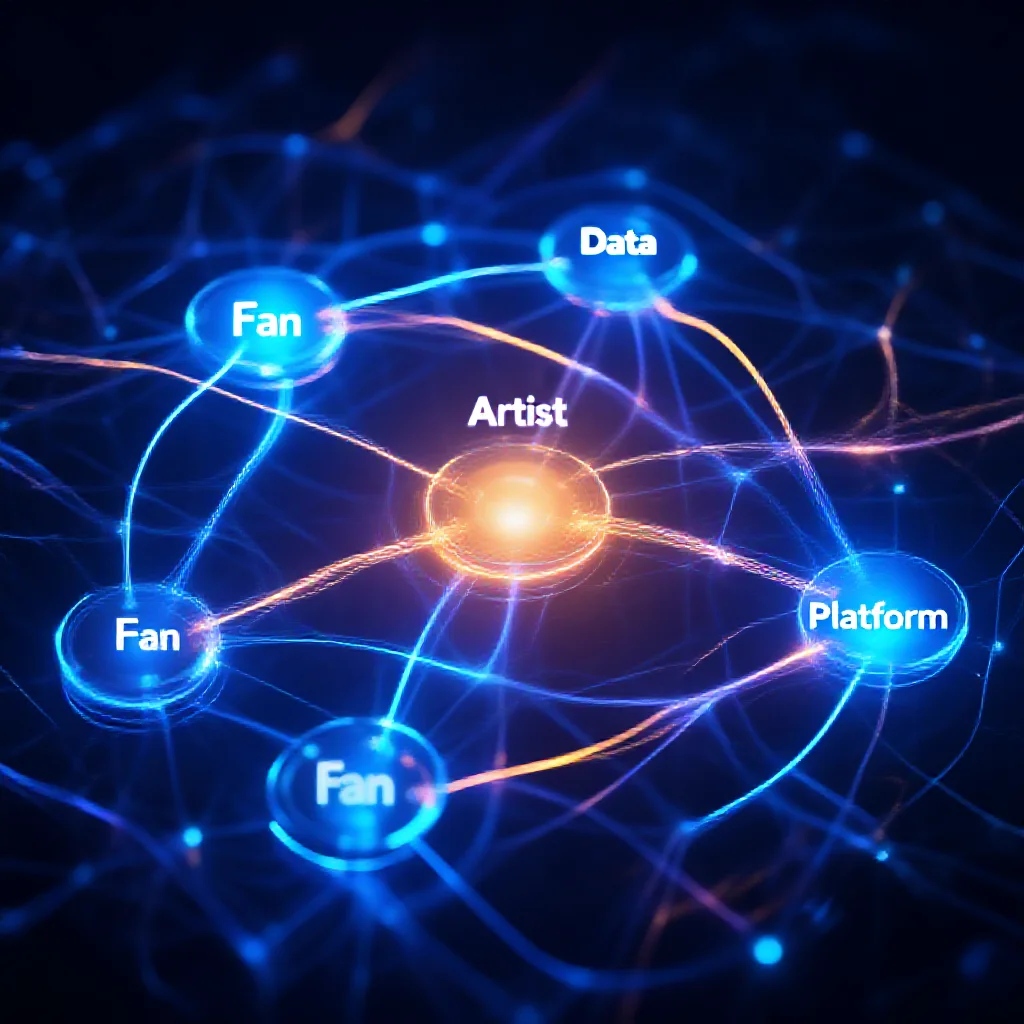
"BTS's 2026 digital release of 'Arirang' wasn't just another record-breaking"
Beyond the Charts: How BTS's 'Arirang' Comeback Redefined Fan-Centric Marketing and Platform Economics
Introduction: The 'Arirang' Anomaly – A Record-Breaking Release Without Traditional Promotion
On April 8, 2026, BTS released the digital single "Arirang." The event followed a now-familiar pattern of record-shattering commercial performance. The song amassed 100 million streams on Spotify within 24 hours (Source 1: [Primary Data]) and debuted at number one on the Billboard Hot 100 chart (Source 2: [Primary Data]). The strategic departure was not in the results, but in the methodology. The release was announced exclusively on the fan community platform Weverse, bypassing the elaborate, multi-week promotional cycles typical of major K-pop comebacks, which traditionally involve music show performances, variety program appearances, and coordinated media play through broadcasters. The success of this digitally-native, direct-to-fan release presents a critical case study. It signals a deliberate shift in the music industry's economic model, where value is increasingly captured not through broadcast gatekeepers but through owned corporate platforms and hyper-engaged communities.
Deconstructing the Strategy: The Direct-to-Fan Digital Playbook
The "Arirang" release strategy was a calculated exercise in platform-centric control. The exclusive use of Weverse for the initial announcement served a dual purpose: fostering community lock-in and enabling first-party data capture. By making the platform the mandatory first touchpoint, HYBE, BTS's parent company (Source 3: [Primary Data]), ensured that fan engagement was immediately channeled into its proprietary ecosystem. This generates invaluable behavioral data while strengthening the platform's perceived indispensability.
The subsequent global premiere of the music video on YouTube functioned as a complementary mass-reach tool. This two-tiered approach—exclusive announcement on an owned platform, followed by content distribution on a broad, ad-supported channel—represents a refined playbook. It bypasses traditional Korean broadcast and variety circuits, which historically served as essential promotional machinery. This bypass is not a rejection of promotion but a reallocation of marketing budget and artist time. Resources are diverted from lower-margin, intermediary-dependent activities toward higher-margin, direct engagement that reinforces corporate-owned assets. The strategy redefines the artist's schedule from a media tour to a platform-centric activation.
The Metrics That Matter: Reading Between the Lines of Streaming Records
The performance metrics for "Arirang" are not merely testaments to fan dedication but quantifiable outputs of a refined economic engine. The 24-hour Spotify streaming record (Source 1: [Primary Data]) demonstrates perfected fan mobilization through owned channels like Weverse. However, it also implies sophisticated backend coordination, including strategic playlist pitching and the leverage HYBE commands as a major content supplier to global streaming platforms. The consumption is orchestrated, efficient, and platform-aware.
Similarly, the Billboard Hot 100 number-one debut (Source 2: [Primary Data]) reveals a shift in the chart's power dynamics. Billboard rankings incorporate streaming, digital sales, and radio airplay. The success of "Arirang," achieved with minimal traditional radio support, highlights how direct fan engagement—coordinated through owned platforms—can generate sufficient concentrated consumption in sales and streaming to overcome the historical gatekeeping power of radio programmers. The chart position becomes a direct reflection of platform and community strength, rather than broadcaster approval.
The Hidden Economic Logic: Platform Sovereignty and Value Chain Capture
The underlying objective of the "Arirang" strategy extends beyond a single song's success. It is a maneuver to strengthen platform sovereignty and capture more of the value chain. Each release of this nature serves to increase the utility and user dependency on Weverse, transforming it from a supplementary community application into critical, revenue-retaining infrastructure. This infrastructure captures subscription fees, commerce, and, most importantly, data that can be used to optimize future releases and monetize other artist IP.
The long-term implication is a reduction in dependency on third-party social media and broadcasters. By controlling the primary fan-artist communication channel, HYBE mitigates risks associated with algorithm changes on external platforms or shifting broadcast partnerships. It builds a defensible economic moat. The model shifts the industry's power structure: value accrues not just to the artist and their label, but increasingly to the corporate entity that owns the platform upon which the fan relationship is built. This creates a new axis of competition centered on platform ecosystem strength, not just musical content.
Conclusion: The New Industry Calculus – Artists as Platform Nodes
The "Arirang" release of April 8, 2026, provides a clear template for the next phase of music industry economics. The model prioritizes direct monetization of fan communities through owned platforms, treats global streaming services as utility-like distribution endpoints rather than primary discovery channels, and minimizes legacy media intermediaries. For top-tier artists with scalable fanbases, this approach offers greater economic efficiency and strategic control.
The neutral market prediction is an acceleration of this vertical integration. Labels and large-scale management companies will increasingly invest in or develop their own direct-to-consumer platforms, seeking to replicate the data and financial capture demonstrated here. The role of the artist evolves within this framework, becoming a central node that drives traffic, engagement, and value into a corporate-controlled ecosystem. The success of future releases will be measured not only by charts and streams but by their contribution to platform growth and resilience, fundamentally altering the calculus of music marketing and artist-label economics.
Trade Metrics
Related Datasets
Q4 Cross-Border Logistics Report
PDF • 4.2 MB
Automotive Parts Supply Chain Index
CSV • 1.1 MB