Beyond the Green: How Horticulture Became Augusta National''s Strategic Design

James Wilson
Industry Analyst
April 9, 2026
DATELINE: NA TRADE WIRE
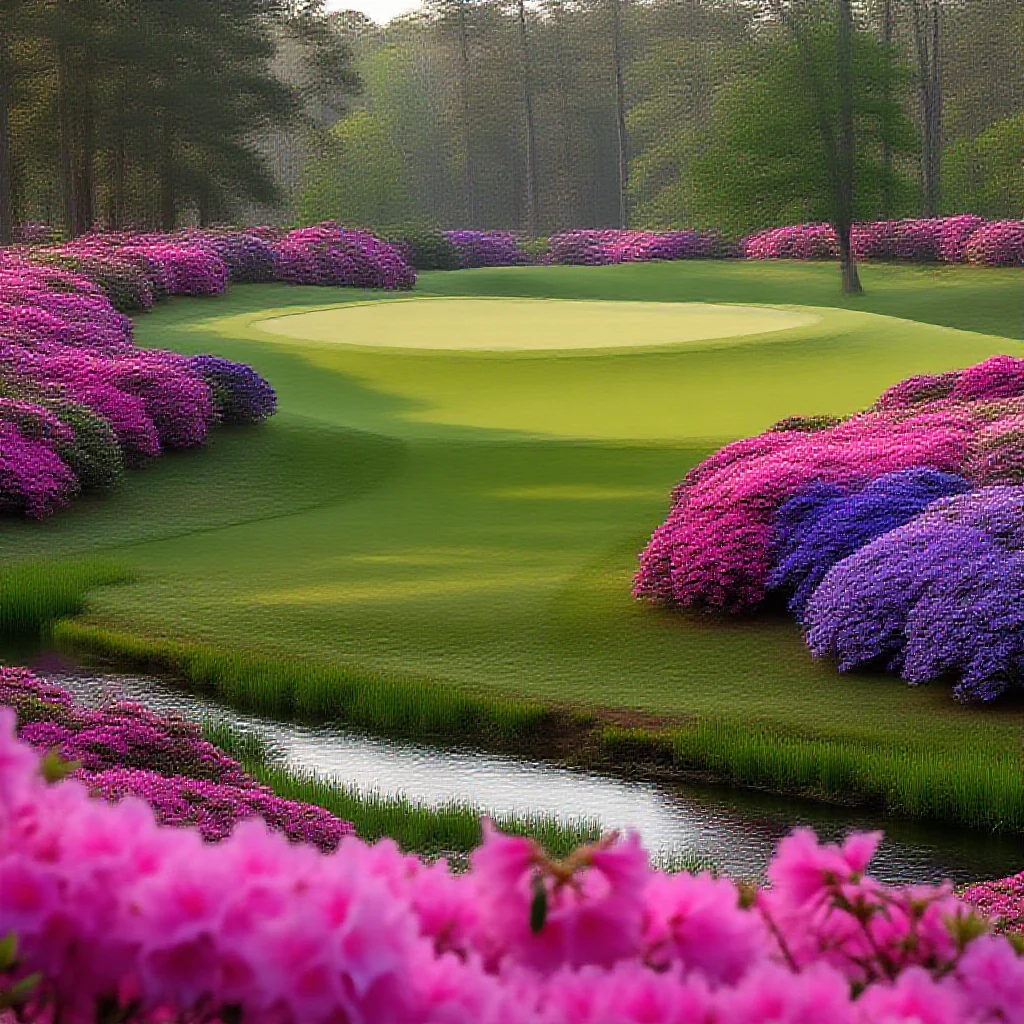
"Augusta National Golf Club is not merely a golf course but a masterclass"
Beyond the Green: How Horticulture Became Augusta National's Strategic Design and Branding Tool
Opening Summary
Augusta National Golf Club, located in Augusta, Georgia, opened for play in 1933. (Source 1: [Primary Data]) The course was founded by amateur champion Bobby Jones and investment banker Clifford Roberts and designed by architect Alister MacKenzie. (Source 1: [Primary Data]) The property was the former site of Fruitland Nurseries, a commercial plant nursery. (Source 1: [Primary Data]) This article analyzes the strategic decision to leverage this horticultural past, arguing that the integration of specific plantings and garden aesthetics was a premeditated design and branding strategy. This strategy transformed the venue into a unique, defensible, and economically powerful identity, central to the global spectacle of The Masters Tournament, first held in 1934. (Source 1: [Primary Data])
The Foundational Strategy: From Nursery to National Icon
The 1931 acquisition of the Fruitland Nurseries property by Bobby Jones and Clifford Roberts represented a strategic calculation beyond simple land procurement. The transaction secured a pre-established botanical infrastructure—mature specimen trees, irrigation systems, and curated plant collections—that would have required decades and significant capital to replicate. (Source 1: [Primary Data]) In the context of the 1930s golf boom, the founders' vision of a "golf and gardens" experience served as a deliberate market differentiator. This concept positioned Augusta National in direct contrast to the penal design doctrines of the era and the natural links landscapes, offering a curated, aesthetic experience that was both novel and exclusive.This vision was operationally enabled by the legacy of the site's first nurseryman, Louis Berckmans. (Source 1: [Primary Data]) Furthermore, the existing landscape perfectly complemented Alister MacKenzie's design philosophy, which emphasized strategic options, natural routing, and the use of the existing terrain. The nursery provided a ready-made canvas of rolling land and mature plantings upon which MacKenzie could impose his strategic golf concepts, allowing the horticultural and architectural visions to merge from inception.
Horticulture as Architectural Framework and Mnemonic System
The integration of botany at Augusta National functions on multiple technical levels beyond mere ornamentation. The naming convention for holes—such as Azalea (13th) and Redbud (16th)—replaces anonymous numerical designations with a strong, marketable visual identity. (Source 1: [Primary Data]) This system acts as a mnemonic device, aiding spectator and player navigation and creating memorable associations between a hole's character and its floral theme.Specific plantings are deployed as core architectural elements. For instance, the mounds and banks of azaleas on the 13th hole are not decorative backdrop but active agents in the design. They define sightlines, create optical illusions regarding scale and distance, and physically frame the risk-reward decisions central to the hole's strategy. The horticulture, maintained by a dedicated team, (Source 1: [Primary Data]) thus functions as a living, evolving component of the course's architectural intent. The team's role is that of an "architect of atmosphere," ensuring the living brand achieves a specific, peak aesthetic condition synchronized with the annual tournament schedule.
The Living Brand: Horticulture's Role in Building The Masters' Economic Engine
The deep integration of horticulture is the foundation of Augusta National's and The Masters' unique economic model. The meticulously controlled, ephemeral beauty of the course in early April—the "Augusta look"—creates a powerful form of artificial scarcity. This seasonal peak transforms the course itself into a primary character in the broadcast narrative, generating immense and sustained media value. The specific flora, particularly the azaleas, have become synonymous with excellence, tradition, and spring, a phenomenon that can be termed the "Azalea Effect."This effect has demonstrable long-term impacts on global perception, merchandise licensing, and tourism to the Augusta region. The underlying operational investment required to sustain this identity is a significant and ongoing cost center. The club's dedicated horticultural staff and resources represent a barrier to imitation that most golf facilities cannot economically bear. This investment protects the brand's uniqueness, ensuring its horticultural identity remains a defensible competitive advantage. The strategy has effectively commodified controlled natural beauty, creating a premium, globally recognized product.
Neutral Market/Industry Prediction
The Augusta National model demonstrates that environmental branding, when deeply integrated into core design and operations, can create a highly defensible and valuable asset. Future developments in premium sporting and leisure destinations will likely attempt to replicate this integration of thematic landscape with experience design. However, the success of such ventures will depend on upfront strategic alignment between environmental vision and operational capability, as well as the patience for long-term cultivation. The trend will favor projects that view landscape not as a cosmetic afterthought but as a foundational, revenue-generating component of the brand architecture. Augusta National's case study indicates that the highest economic return on horticultural investment is achieved when it is inseparable from the functional and narrative identity of the venue itself.
Trade Metrics
Related Datasets
Q4 Cross-Border Logistics Report
PDF • 4.2 MB
Automotive Parts Supply Chain Index
CSV • 1.1 MB