Beyond the Barrel: How the U.S. Oil Trade Reversal Redefines Global Energy

David Thompson
Data Editor
March 29, 2026
DATELINE: NA TRADE WIRE
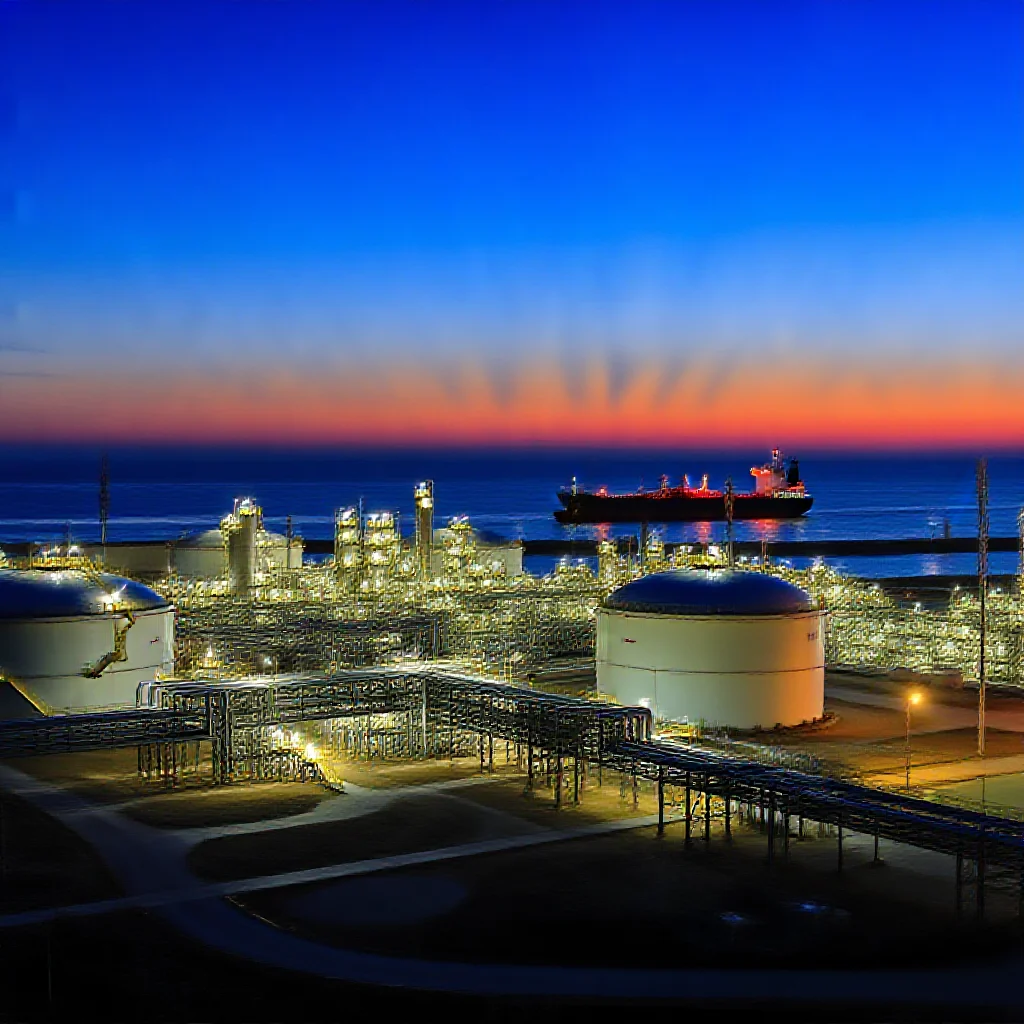
"The United States has completed a historic pivot from the world's largest"
Beyond the Barrel: How the U.S. Oil Trade Reversal Redefines Global Energy and Economic Security
Introduction: The Quiet Revolution in the Data
The trajectory of American energy trade has undergone a fundamental inversion. In 2005, the United States imported a record 10.1 million barrels per day (bpd) of crude oil, a peak dependency that shaped decades of economic and foreign policy (Source 1: [Primary Data]). By 2023, the nation exported more crude oil and petroleum products than it imported, marking a definitive pivot from the world’s largest importer to a net exporter (Source 2: [Primary Data]). This shift is not a sudden event but the culmination of a multi-decade evolution in technology, policy, and market structures. The transformation moves beyond a mere trade statistic; it represents a reconfiguration of American economic power and a recalibration of global energy dynamics, with profound implications for strategic resilience and market interdependence.
!Infographic showing trade flow reversal
An illustrative representation of the U.S. oil trade flow reversal from 2005 to 2023.
The Engine of Change: Technology, Policy, and Market Forces
The primary catalyst for this reversal was the shale revolution, a technological breakthrough that unlocked vast reserves of oil and natural gas from tight rock formations. The combination of hydraulic fracturing (fracking) and horizontal drilling enabled economically viable extraction from resources previously considered inaccessible, leading to a dramatic surge in domestic production.
Policy acted as a critical market enabler. The 2015 repeal of the 40-year-old ban on crude oil exports was a pivotal decision (Source 3: [Primary Data]). This deregulation did not directly increase production but allowed the market to function globally, permitting U.S. producers to sell light sweet crude to international refiners optimized for that grade. On the demand side, global consumption patterns and the specific configuration of refineries worldwide created a ready market for this type of crude. The integrated system of U.S. Gulf Coast refineries, meanwhile, continued to process heavier imported crudes, creating a complex two-way trade that maximized economic efficiency.
!Diagram of fracking and policy change
The shale boom, powered by advanced drilling, was unlocked for global markets by policy change in 2015.
The Deep Entry Point: From 'Energy Independence' to 'Export-Led Interdependence'
The common narrative of "energy independence" is analytically insufficient. The United States remains deeply integrated into the global oil market, but now from a position of structural surplus. A more accurate framework is "export-led interdependence." This status introduces a new category of economic vulnerability: exposure to global price collapses. The domestic industry’s health is now directly tied to international benchmarks, testing the concept of "producer resilience" during market downturns.
This shift has also reconfigured domestic supply chains. The surge in light crude production, coupled with export capability, has bolstered the U.S. refining and petrochemical sectors. These industries can now access a wider, more stable basket of feedstocks, strengthening an integrated domestic energy-industrial complex. The net export position is thus not merely about barrels shipped overseas but about enhancing the competitiveness and depth of the entire domestic hydrocarbon value chain.
!Conceptual map of energy-industrial complex
The U.S. energy system is now a complex web connecting extraction, refining, manufacturing, and global finance.
Geopolitical Recalibration: The New American Leverage
Net-exporter status alters the toolkit of statecraft. The deployment of the Strategic Petroleum Reserve (SPR) can now be considered not only for import disruption insurance but also as a tool to influence global supply. Sanctions policy gains additional heft, as the U.S. can more readily pressure other producers while backfilling markets to a degree. This shift necessarily recalibrates relationships with both traditional oil-exporting blocs like OPEC+ and net-importing allies, who may view the U.S. as a more stable alternative supplier.
However, the limits of this leverage are defined by market fundamentals. The United States does not control global oil prices; it is a price-taker in an interconnected market. Its exports provide market share and influence, but not cartel-like power. The geopolitical benefit is one of optionality and reduced coercive pressure from other exporters, rather than the ability to unilaterally dictate terms.
!Symbolic handshake over energy trade
Energy trade flows underpin a new layer of diplomatic and economic relationships.
Conclusion: Resilience, Risk, and the Unpredictable Market
The United States has achieved a structural trade surplus in oil, a outcome once considered implausible. This position enhances national economic security by reducing the direct macroeconomic drain of import bills and providing a buffer against supply shocks originating elsewhere. It has also stimulated significant domestic capital investment and job creation in energy-producing regions.
The long-term outlook, however, is contingent on multiple variables. The sustainability of shale production growth faces challenges from capital discipline, resource depletion in core basins, and environmental regulatory pressures. The global transition toward lower-carbon energy sources presents a systemic risk to long-term hydrocarbon demand. Furthermore, the nation’s refineries remain dependent on continued imports of heavier crude grades, ensuring that complete autarky is neither feasible nor economically rational.
The final analysis indicates that the U.S. oil trade reversal has traded one set of vulnerabilities—those of a massive importer—for another, more complex set tied to global market cycles and the future of energy demand. The newfound strength is real but exists within a web of enduring interdependence. Energy security in this new paradigm is less about isolation and more about the resilience and adaptability of a deeply embedded participant in the global system.
Trade Metrics
Related Datasets
Q4 Cross-Border Logistics Report
PDF • 4.2 MB
Automotive Parts Supply Chain Index
CSV • 1.1 MB