Why a Wabtec Veteran Joins a Robotics Startup: The Strategic Shift in Rail

Emily Rodriguez
Cross-Border Trade Reporter
March 29, 2026
DATELINE: NA TRADE WIRE
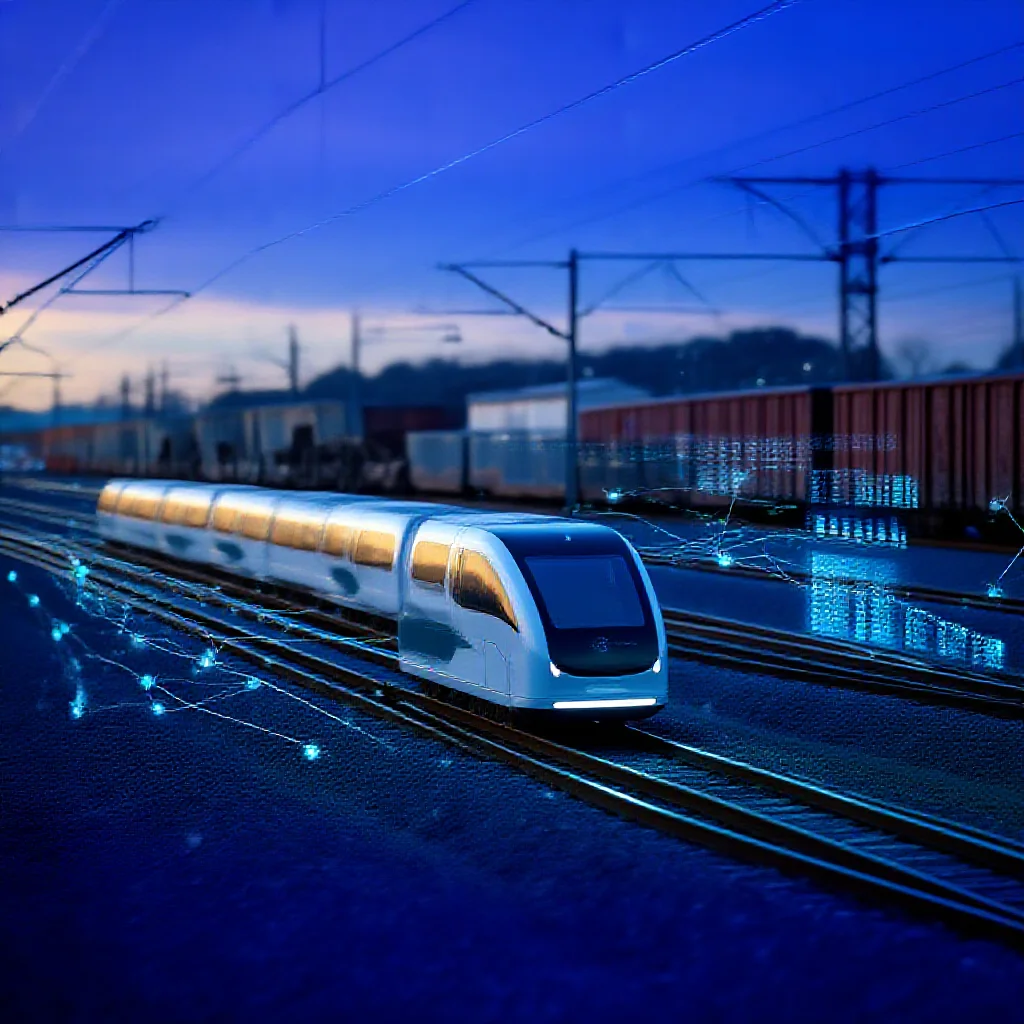
"The appointment of former Wabtec CEO Raymond T. Betler to the board of Parallel"
Why a Wabtec Veteran Joins a Robotics Startup: The Strategic Shift in Rail Freight
Beyond the Headline: Decoding a Strategic Industry Handshake
The appointment of Raymond T. Betler, former President and CEO of Wabtec Corporation, to the board of directors at Parallel Systems is a procedural corporate action. (Source 1: [Primary Data]) The underlying strategic signal, however, is a validation of a disruptive technological model by a pillar of the traditional rail industry. This move functions as a bellwether for the maturation of robotics and autonomy within core freight infrastructure. It represents a calculated migration of deep-seated industry expertise from established equipment manufacturers to asset-light technology disruptors, indicating a pivotal inflection point in market acceptance.

The Betler Factor: Why His Wabtec Pedigree is a Game-Changer
Raymond Betler’s value is not merely a function of his former chief executive title. His tenure at Wabtec, a global leader in freight rail components and equipment, provided direct expertise in railcar manufacturing, complex global supply chains, and, critically, the procurement processes and operational priorities of Class I railroads. (Source 1: [Primary Data]) This experience translates into a nuanced understanding of the regulatory frameworks, lengthy sales cycles, and specific pain points within the legacy rail ecosystem. For Parallel Systems, Betler’s credibility and relationships offer a strategic bridge to the very customer base—major railroads and logistics operators—that must be convinced to adopt a fundamentally new operational model. His appointment is a direct mechanism for accessing the institutional knowledge required to navigate integration challenges.
Parallel Systems' Model: Disrupting Freight with Robotics, Not Just Trains
Parallel Systems is developing autonomous, battery-electric rail vehicles designed to operate in platoons. (Source 1: [Primary Data]) The core innovation is not a direct locomotive replacement but a re-engineering of freight movement logic. The model proposes shifting from high-capital-expenditure, fixed-consist trains moving between major classification yards to a scalable, software-defined network of smaller, self-contained units. This asset-light approach emphasizes efficiency-as-a-service over equipment sales. The economic logic aims to bypass traditional yard congestion and enable more point-to-point flexibility. Betler’s appointment is a logical response to the challenge of fitting this new paradigm into the existing physical and commercial rail infrastructure, a process where his Wabtec background is directly applicable.

The Deep Entry Point: Long-Term Impact on the Underlying Supply Chain
The primary disruption potential lies not in the vehicle technology itself, but in its capacity to re-architect the "first and last mile" of rail freight. Autonomous, platooned electric rail vehicles could challenge trucking’s dominance for regional hauls of 200-500 miles. The operational effect would be the enablement of smaller, more frequent shipments moving directly from ports to inland distribution centers or between manufacturing hubs, without reclassification. This could reduce warehouse footprint requirements, lower inventory holding times, and increase supply chain velocity. The strategic implication is a potential unbundling of traditional freight services, where software and robotics manage modular physical movement, altering the fundamental economics of logistics networks.
Market Trajectory: Neutral Projections on Adoption and Competitive Response
The integration of Parallel Systems’ model faces significant hurdles, including regulatory certification for autonomous operation on shared rail corridors and the need for standardized interoperability interfaces. The near-term market trajectory will likely involve controlled pilot programs with forward-leaning rail operators or port authorities, rather than immediate wholesale adoption. The competitive response from incumbent players like Wabtec and traditional railcar lessors may manifest as accelerated internal R&D into similar autonomous technologies or strategic partnerships with other startups. The long-term industry reconfiguration will depend on the demonstrable total cost of ownership and reliability advantages of the robotic model versus incremental improvements in legacy systems. Betler’s move from Wabtec to Parallel Systems’ board is a leading indicator that serious capital and expertise are now being allocated to test that proposition.
Trade Metrics
Related Datasets
Q4 Cross-Border Logistics Report
PDF • 4.2 MB
Automotive Parts Supply Chain Index
CSV • 1.1 MB