Beyond the Return Label: How Two Boxes'' AI Funding Signals a Supply Chain

Emily Rodriguez
Cross-Border Trade Reporter
April 8, 2026
DATELINE: NA TRADE WIRE
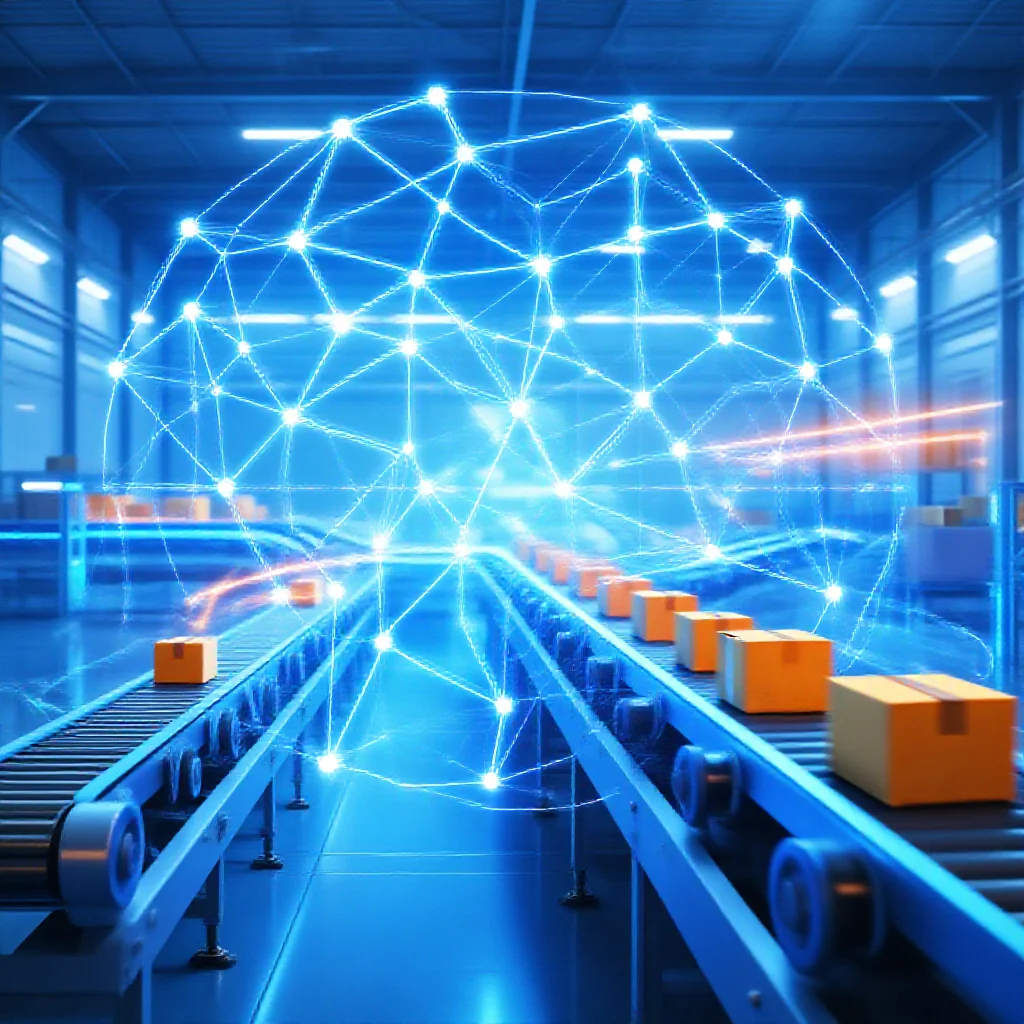
"Two Boxes'' $3.2M seed funding, led by Schematic Ventures, is more than"
Beyond the Return Label: How Two Boxes' AI Funding Signals a Supply Chain Profitability Revolution
A recent seed funding round for a logistics technology startup offers a pointed indicator of shifting priorities in global commerce. Two Boxes, a company developing an AI-powered returns management platform, secured $3.2 million in seed capital. The round was led by Schematic Ventures, with participation from Haystack Ventures, Cercano Management, and notably, the global logistics platform Flexport (Source 1: [Primary Data]). This investment moves beyond a simple startup narrative, highlighting a strategic pivot within e-commerce: the systematic re-evaluation of the returns process from a pure cost center to a data-rich frontier for artificial intelligence-driven profitability.
The Funding as a Market Signal: More Than Just $3.2 Million
The composition of the investor syndicate provides the first layer of analytical significance. Schematic Ventures, with its stated focus on deep tech and industrial systems, leading the round suggests a thesis that views returns automation not as a superficial software layer but as a core operational technology. The participation of Flexport, a logistics and supply chain behemoth, acts as a powerful validator. It signals that industry incumbents recognize the returns process as a critical, yet historically under-optimized, node within the broader supply chain network.
This seed round validates a well-documented and escalating pain point. The relentless growth of e-commerce has been paralleled by a surge in return volumes, which industry groups like the National Retail Federation consistently identify as a major profitability drain. The funding aligns with the broader "Supply Chain Tech" investment thesis that accelerated following the global disruptions post-2020, where resilience and data-driven efficiency became paramount. Investors are now targeting specific, high-friction points within the chain, with reverse logistics representing a multi-billion-dollar opportunity for technological intervention.
The Hidden Economic Logic: Turning a Cost Center into a Data Asset
The traditional returns model is linear and defensive. A customer initiates a return, the item travels back through the chain, is inspected, and is eventually restocked, liquidated, or discarded. Each step incurs cost—shipping, handling, processing, and inventory devaluation—with the primary goal being loss recovery.
An AI-platform model, as developed by Two Boxes, seeks to transform this into a circular, data-generating system for profit optimization. By applying artificial intelligence to automate decision-making—such as instant return authorization, condition assessment via customer-submitted photos, and optimal routing—the platform reduces processing time and labor costs. More profoundly, it generates structured data from what was previously an opaque process.
This data creates feedback loops for upstream business decisions. Aggregated reasons for returns can inform product development, improve sizing charts, or flag quality control issues. Over time, the system enables more sophisticated applications: dynamic restocking fees based on real-time resale value, personalized return options to enhance customer retention, and algorithmic routing of items to the most profitable liquidation channel (e.g., direct resale, B2B pallet sales, recycling) within seconds of a return being initiated.
The Strategic Play for 3PLs and Brands: Beyond Automation
The adoption of such a platform carries distinct strategic implications for different actors in the ecosystem.
For Third-Party Logistics providers (3PLs), an AI returns platform represents a transition from a service provider to a strategic intelligence partner. By offering clients not just returns processing but also actionable analytics on return rates, reasons, and recovery values, a 3PL can embed itself deeper into the client’s operational strategy. This moves the relationship beyond a transactional, cost-per-unit basis to one centered on shared value creation through data.
For e-commerce brands, the value proposition shifts from merely reducing return rates to enhancing customer lifetime value through a smarter return experience. A seamless, automated returns process can improve customer satisfaction and loyalty, even in the context of a return. Furthermore, the accelerated recovery of inventory and capital transforms working capital efficiency. The financial scale of the problem is substantial; reverse logistics costs often exceed 10-20% of total logistics budgets for retailers, representing a direct hit to margins that AI-driven systems aim to reclaim.
The Road Ahead: Scaling Operations and the Broader Ecosystem
The declared intent to use the funding to "scale operations" entails significant technical integration challenges. True scaling requires deep, bidirectional integration with Warehouse Management Systems (WMS), Enterprise Resource Planning (ERP) software, and carrier APIs. The platform must function not as a standalone tool but as a connective layer within a complex digital infrastructure. Success will be measured by its seamless interoperability.
The competitive landscape includes both legacy returns management providers and newer software-as-a-service entrants. Differentiation will hinge on the sophistication of the AI/ML models, the depth of ecosystem integrations, and the tangible financial outcomes delivered—specifically, the reduction in processing costs and the increase in recovery value.
A consequential, secondary impact of intelligent returns automation is sustainability. By optimizing the routing and disposition of returned goods, these platforms can drastically reduce the volume of items sent directly to landfill. They facilitate refurbishment, recycling, or efficient resale, aligning with growing regulatory pressures on waste and consumer demand for environmentally responsible commerce. This sustainability angle may evolve from a beneficial side-effect to a core regulatory and marketing driver for the adoption of such technologies.
The $3.2 million seed investment in Two Boxes is a micro-transaction with macro implications. It underscores a calculated bet by informed investors that the application of artificial intelligence to reverse logistics will unlock systemic value, turning a perennial operational headache into a source of competitive advantage and resilience for the modern supply chain.
Trade Metrics
Related Datasets
Q4 Cross-Border Logistics Report
PDF • 4.2 MB
Automotive Parts Supply Chain Index
CSV • 1.1 MB