Beyond the Bankruptcy Filing: How Pacific Harbor Line''s Collapse Exposes

Emily Rodriguez
Cross-Border Trade Reporter
April 15, 2026
DATELINE: NA TRADE WIRE
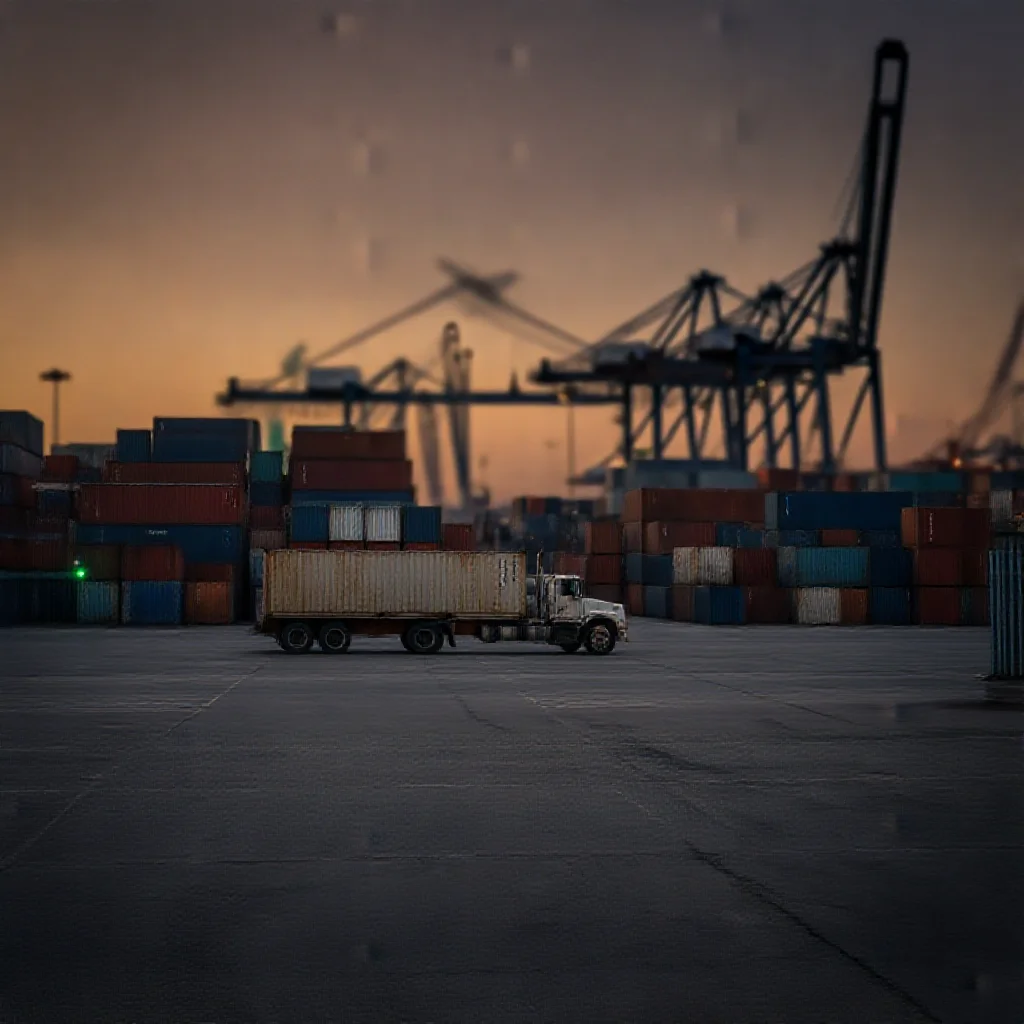
"The Chapter 11 filing of California''s Pacific Harbor Line Inc. in October"
Beyond the Bankruptcy Filing: How Pacific Harbor Line's Collapse Exposes Systemic Risks in U.S. Drayage
The Chapter 11 bankruptcy petition filed by Pacific Harbor Line Inc. on October 15, 2023, in the U.S. Bankruptcy Court for the Central District of California (Source 1: [Primary Data]) presents a stark financial tableau. The California drayage carrier disclosed assets valued between $1 million and $10 million against liabilities ranging from $10 million to $50 million (Source 1: [Primary Data]). This insolvency, however, transcends a single corporate failure. The composition of its debts—to a major labor union, a port authority, and an environmental regulator—frames this event as a diagnostic case study of the structural pressures eroding the U.S. short-haul trucking sector.
The Filing: A Data Point or a Canary in the Coal Mine?
The bankruptcy of Pacific Harbor Line Inc. occurs within a broader pattern of financial distress in transportation and logistics. Its disclosed financial imbalance, where liabilities potentially outweigh assets by a factor of five or more, indicates a deep-seated insolvency incompatible with temporary market fluctuations. This magnitude of deficit suggests prolonged operational losses rather than a sudden liquidity crisis. The filing is a symptomatic failure of the prevailing drayage business model, characterized by extreme exposure to fixed costs and volatile revenue. It functions as a leading indicator, revealing the economic fragility of carriers operating at the critical first-mile interface of maritime and rail logistics.
Deconstructing the Debt: A Tripartite Crisis of Labor, Infrastructure, and Regulation
The creditor list for Pacific Harbor Line Inc. delineates the three primary fronts on which drayage carriers are financially engaged.
The Labor Burden: The carrier owes over $3.5 million to the International Brotherhood of Teamsters for pension and health contributions (Source 1: [Primary Data]). This debt underscores the tension between contractual, fixed labor costs and the highly variable spot market rates that often determine revenue. Contributions to multi-employer pension plans represent a long-term liability that persists regardless of daily freight volumes or rates, creating a significant financial anchor during market downturns.
The Port Infrastructure Squeeze: Debts exceeding $2.5 million to the Port of Long Beach for terminal fees (Source 1: [Primary Data]) highlight the carrier's role as a de facto financier of public infrastructure access. These fees, encompassing charges for cargo movement, chassis usage, and gate access, are typically non-negotiable and must be paid upfront or on short terms. In a fragmented, hyper-competitive market, carriers frequently lack the pricing power to pass these full costs to shippers, compressing margins.
The Regulatory Cost Cliff: The over $1.5 million owed to the California Air Resources Board (CARB) for regulatory fines (Source 1: [Primary Data]) operationalizes the challenge of environmental compliance. California’s aggressive emissions standards mandate costly fleet modernization. For a carrier operating 45 trucks (Source 1: [Primary Data]), the capital required to upgrade or replace older diesel units is substantial. Fines accrue when financial distress prevents timely compliance, creating a punitive cycle that further depletes capital reserves.
The Hidden Economic Logic: Why the Drayage Model is Fundamentally Broken
Operational data from the filing reveals inherent strains. The employment of 65 drivers for a fleet of 45 trucks (Source 1: [Primary Data]) suggests either high driver turnover, the use of independent contractors, or operational inefficiencies—all common symptoms of a financially stressed carrier model. This discrepancy points to the sector's chronic driver retention challenges, often fueled by inconsistent work and economic instability.
The economic position of a drayage carrier is one of a constrained intermediary. It operates between powerful, capital-intensive entities—ports and railroads with fixed fee schedules—and powerful shippers or beneficial cargo owners who leverage competition to minimize rates. This "middleman squeeze" allows minimal buffer for absorbing cost increases from fuel, labor, or regulation. External shocks, such as pandemic-induced congestion or fuel price volatility, rapidly evaporate already thin margins. The case of Pacific Harbor Line Inc. demonstrates how sustained exposure to these tripartite costs (labor, infrastructure, regulation), without corresponding pricing authority, leads to inevitable financial erosion.
Implications for Port Efficiency and Supply Chain Resilience
The failure of drayage carriers poses direct risks to port efficiency and national supply chain resilience. Reduced carrier capacity can lead to container yard congestion, slower vessel turnarounds, and increased costs for shippers. Furthermore, systemic instability discourages investment in cleaner, more efficient equipment, counteracting environmental goals. Labor instability, evidenced by unpaid pension contributions, threatens to exacerbate driver shortages.
Neutral market analysis suggests a trend toward consolidation, as larger logistics entities with diversified revenue streams and better capital access may absorb market share from failing independents. Alternatively, increased contractualization between shippers and carriers, moving away from pure spot market transactions, may emerge as a stabilization mechanism. Regulatory bodies may face pressure to reconcile ambitious environmental timelines with the financial realities of small-to-midsize fleets, potentially through enhanced grant funding or phased compliance structures.
The bankruptcy of Pacific Harbor Line Inc. is not an anomaly but a data-rich illustration of systemic fault lines. Its resolution under Chapter 11 will restructure one company's balance sheet, but the underlying economic forces—the squeeze between fixed costs and variable revenue—will persist across the drayage sector. This case signals that the sustainability of the nation's port logistics infrastructure requires a re-examination of its foundational economic model.
Trade Metrics
Related Datasets
Q4 Cross-Border Logistics Report
PDF • 4.2 MB
Automotive Parts Supply Chain Index
CSV • 1.1 MB