Beyond the Deal: Kriska''s Acquisition of Sharp and the Strategic Reshaping

Emily Rodriguez
Cross-Border Trade Reporter
April 14, 2026
DATELINE: NA TRADE WIRE
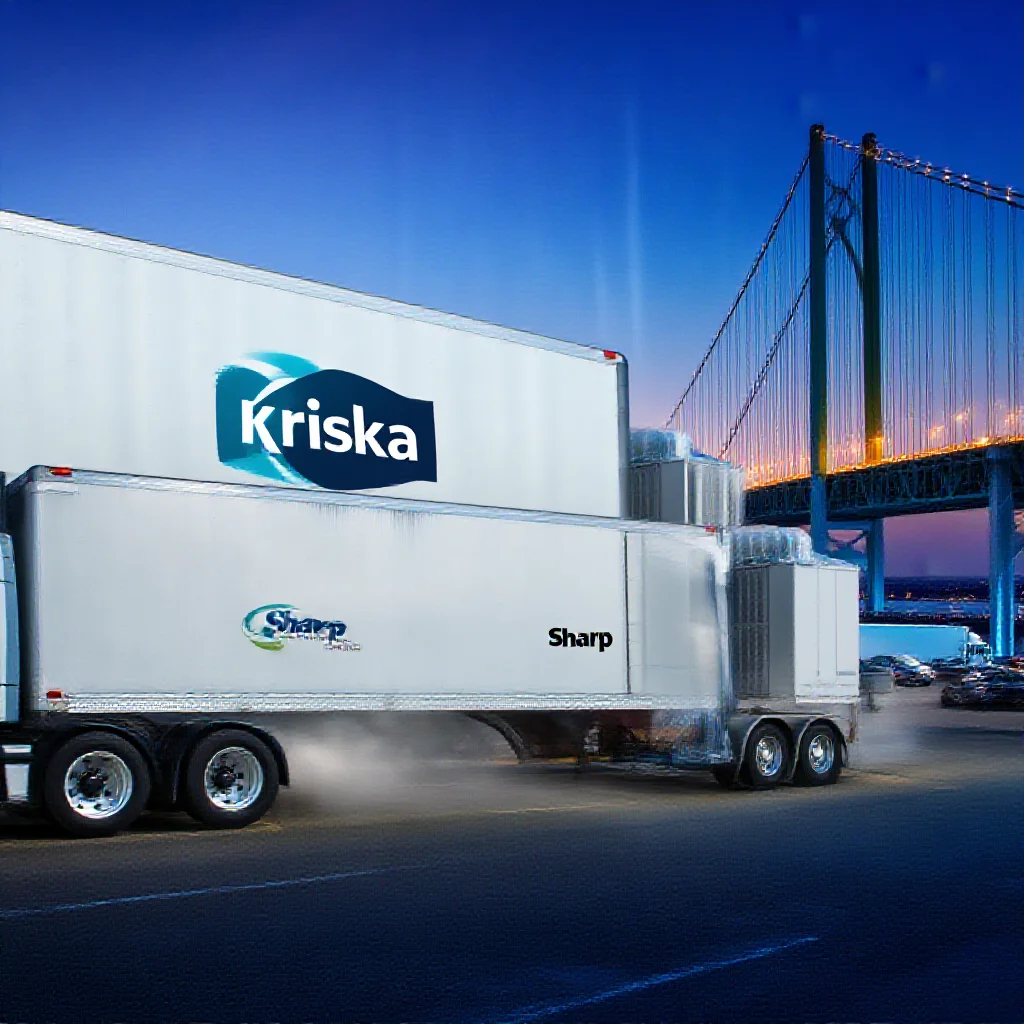
"Kriska Transportation Group''s acquisition of US-based Sharp Transportation"
Beyond the Deal: Kriska's Acquisition of Sharp and the Strategic Reshaping of North American Cold-Chain Logistics
The Surface Facts: A Cross-Border Cold-Chain Merger
Kriska Transportation Group, a Canadian truckload carrier, has acquired US-based refrigerated carrier Sharp Transportation. The transaction's stated objective is the expansion of Kriska's cross-border logistics capabilities between Canada and the United States. A notable operational detail is that Sharp Transportation will continue to operate under its own brand and with its existing management team. This structure indicates a strategic model focused on acquisition and growth rather than immediate operational absorption. (Source 1: [Primary Data])
The Hidden Economic Logic: Why Cold-Chain, Why Now?
The acquisition is a direct response to structural economic pressures within the logistics sector. Demand for temperature-controlled transportation has escalated due to rising consumer expectations for fresh and frozen foods, alongside the complex distribution requirements of pharmaceuticals and biologics. This demand necessitates networks that are both resilient and specialized. The strategic value of integrated cross-border capability functions as a competitive moat. For major consumer packaged goods and retail shippers with continent-spanning operations, a seamless Canada-US service offering is a logistical requirement, not an option. This deal positions the combined entity to capture freight from these shippers, for whom navigating separate domestic carriers adds cost and complexity. The trend is supported by industry analysis projecting the cold-chain logistics market to outpace dry freight growth, driven by e-commerce groceries and stringent food safety regulations from bodies like the FDA and CFIA. (Source 2: [Industry Analysis])
The Brand-Strategy Deep Dive: The Power of a Dual-Identity Acquisition
The decision to maintain Sharp’s independent brand and management is a calculated strategic choice, not a transitional phase. This approach preserves Sharp's established relationships with its US customer base and its distinct operational culture, thereby mitigating the client attrition and integration risks common in post-merger consolidation. From a market positioning perspective, Kriska gains an immediate US foothold and deep refrigerated logistics expertise without diluting its own brand equity in the Canadian market. Conversely, Sharp gains access to greater capital resources and, critically, to Kriska’s Canadian network for cross-border backhaul optimization. This represents a counter-trend to the industry's mega-mergers. It is a targeted, capability-focused acquisition that prioritizes dominance within a profitable niche—integrated North American cold-chain logistics—over pure scale-building for volume’s sake.
Long-Term Ripples: Implications for the Competitive Landscape
The consolidation of Kriska and Sharp alters the competitive dynamics for mid-sized third-party logistics providers and asset-based carriers. The combined entity presents a more formidable alternative to larger, diversified 3PLs by offering shippers a dedicated, asset-backed cross-border cold-chain solution. For shippers, this transaction expands choice in a segment requiring high reliability, but it also reflects the industry's broader consolidation, which may lead to reduced carrier options over the long term. The deal underscores a strategic imperative for logistics firms: to build networks resilient to border delays, regulatory shifts, and specific commodity demands. Future activity is likely to follow this pattern, with mergers and acquisitions focused on building contiguous geographic coverage and specialized service portfolios, particularly in temperature-controlled and high-security freight segments, as firms seek to become indispensable partners rather than commoditized transporters.
Trade Metrics
Related Datasets
Q4 Cross-Border Logistics Report
PDF • 4.2 MB
Automotive Parts Supply Chain Index
CSV • 1.1 MB