DSV''s Dallas Exit: A Case Study in the Fragility of Modern 3PL Contracts

Emily Rodriguez
Cross-Border Trade Reporter
April 18, 2026
DATELINE: NA TRADE WIRE
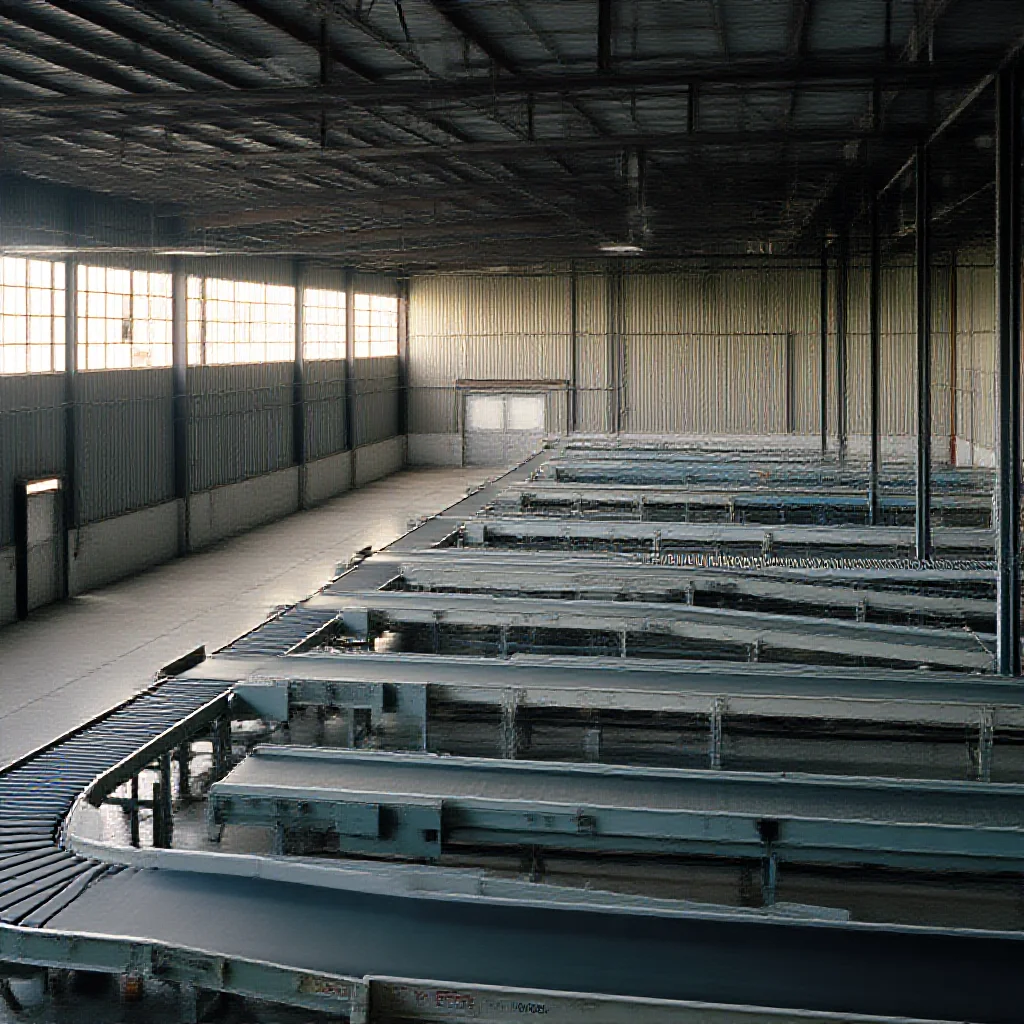
"DSV's termination of a major customer contract at its Wilmer, Texas distribution"
DSV's Dallas Exit: A Case Study in the Fragility of Modern 3PL Contracts and Regional Supply Chains
Opening Factual Summary
DSV Air & Sea Inc. has terminated a significant customer contract at its distribution center in Wilmer, Texas, resulting in the permanent elimination of 391 positions. The facility closure is scheduled for June 25, as mandated by a Worker Adjustment and Retraining Notification (WARN) Act notice filed with the Texas Workforce Commission (Source 1: [Primary Data]). This event, while a singular corporate action, provides a substantive case for analyzing the underlying structural vulnerabilities within the third-party logistics (3PL) industry and the regional supply chain networks they support.
The Wilmer Shutdown: Beyond the Headline Numbers
The filing of a WARN notice is a procedural requirement, but its contents reveal critical operational realities. The designation of 391 job cuts as "permanent" indicates a strategic cessation of activity at the Wilmer site, not a temporary reduction due to seasonal or cyclical demand fluctuations (Source 1: [Primary Data]). This permanence underscores a complete dependency of the facility on a single client contract. The specified closure date of June 25 functions as more than a calendar marker; it represents the precise endpoint of a contractual obligation, highlighting the binary nature of such dedicated operations. The rapid transition from full operation to complete closure, as dictated by the notice, demonstrates the limited flexibility inherent in these arrangements once a termination clause is activated.The Hidden Logic: Why Single-Client Mega-Facilities Are a Double-Edged Sword
The DSV Wilmer scenario exemplifies the concentrated risk embedded within a prevalent 3PL business model. To secure large-scale contracts, 3PLs often design and operate distribution centers exclusively for one major shipper. This model maximizes efficiency and customization for the client but creates a critical vulnerability: the economic viability of the entire asset is tied to the continuity of that single relationship. The collapse of the contract renders the specialized facility and its workforce immediately redundant.The identity of the unnamed customer remains undisclosed, but the scale of the operation suggests a major retailer, technology firm, or automotive supplier. The contract's termination could stem from multiple rational causes: a strategic shift by the shipper to in-house logistics, a renegotiation of rates with a competing 3PL, or a broader contraction in the shipper's own demand. This event places the "asset-light" strategy of major 3PLs under scrutiny. While avoiding heavy capital investment in real estate allows for scalability and agility, it can also result in a lack of operational stability when large, dedicated contracts dissolve, transferring significant business risk onto the workforce and local economy.
Ripple Effects: Assessing the Long-Term Damage to the DFW Logistics Corridor
The immediate impact of 391 job losses is clear, but the secondary effects on the Dallas-Fort Worth (DFW) logistics corridor warrant examination. While the regional market is a major logistics hub, the absorption of hundreds of specialized warehouse and distribution employees simultaneously may strain local labor dynamics, potentially suppressing wages for similar roles. Furthermore, the vacancy of a modern distribution center of this scale could influence submarket industrial real estate valuations, depending on the specificity of its build-out.The reputational impact of a public, large-scale contract failure is another calculable risk. For DSV and other 3PLs operating in the region, this event may become a reference point in future contract negotiations. Potential clients may scrutinize contractual exit clauses and business continuity plans more rigorously, and economic development entities may weigh the stability of dedicated 3PL facilities differently when evaluating projects that promise significant job creation.
A Canary in the Coalmine? Broader Implications for Post-Pandemic Supply Chains
This termination occurs within a broader industry context of recalibration. Following the extreme volatility of the pandemic period, where 3PLs held significant pricing power, shippers are now intensely focused on cost reduction and supply chain resilience. Recent earnings reports from major logistics firms indicate a shift toward contract renegotiation and a more aggressive stance by shippers seeking to optimize their networks.The DSV Wilmer closure can be interpreted as a verification point for this trend. It signals a potential end to an era where large, dedicated contracts were seen as stable anchors. Shippers appear to be exercising greater flexibility, willing to re-route or re-source logistics support to achieve efficiency targets. This imposes a new calculus on 3PLs: the pursuit of large, dedicated contracts must be balanced against the profound risk of concentrated exposure. The industry may see a strategic pivot toward multi-client facilities or more flexible contract structures that allow for gradual ramp-downs or shared space, trading peak efficiency for enhanced operational and financial resilience.
Neutral Market/Industry Prediction
The scheduled June 25 closure will proceed as a discrete corporate action. The broader implication is an increased probability of similar contract terminations in other regions as shippers continue to optimize their post-pandemic logistics footprints. The 3PL competitive landscape will likely bifurcate, with leaders differentiating themselves not only on scale and price but on risk-mitigated contract structures and the ability to offer redundant network solutions. Regional economic planners in logistics-centric markets may increasingly factor the stability of employer types into resilience assessments, alongside traditional metrics of job quantity and capital investment. The Wilmer facility's ultimate fate—whether it is re-tenanted by another single client, reconfigured for multi-tenant use, or remains dormant—will serve as a tangible indicator of how the industry is internalizing these lessons.
Trade Metrics
Related Datasets
Q4 Cross-Border Logistics Report
PDF • 4.2 MB
Automotive Parts Supply Chain Index
CSV • 1.1 MB