Beyond the Dashboard: How Data Integration is Redefining Fleet Risk Management

Emily Rodriguez
Cross-Border Trade Reporter
April 20, 2026
DATELINE: NA TRADE WIRE
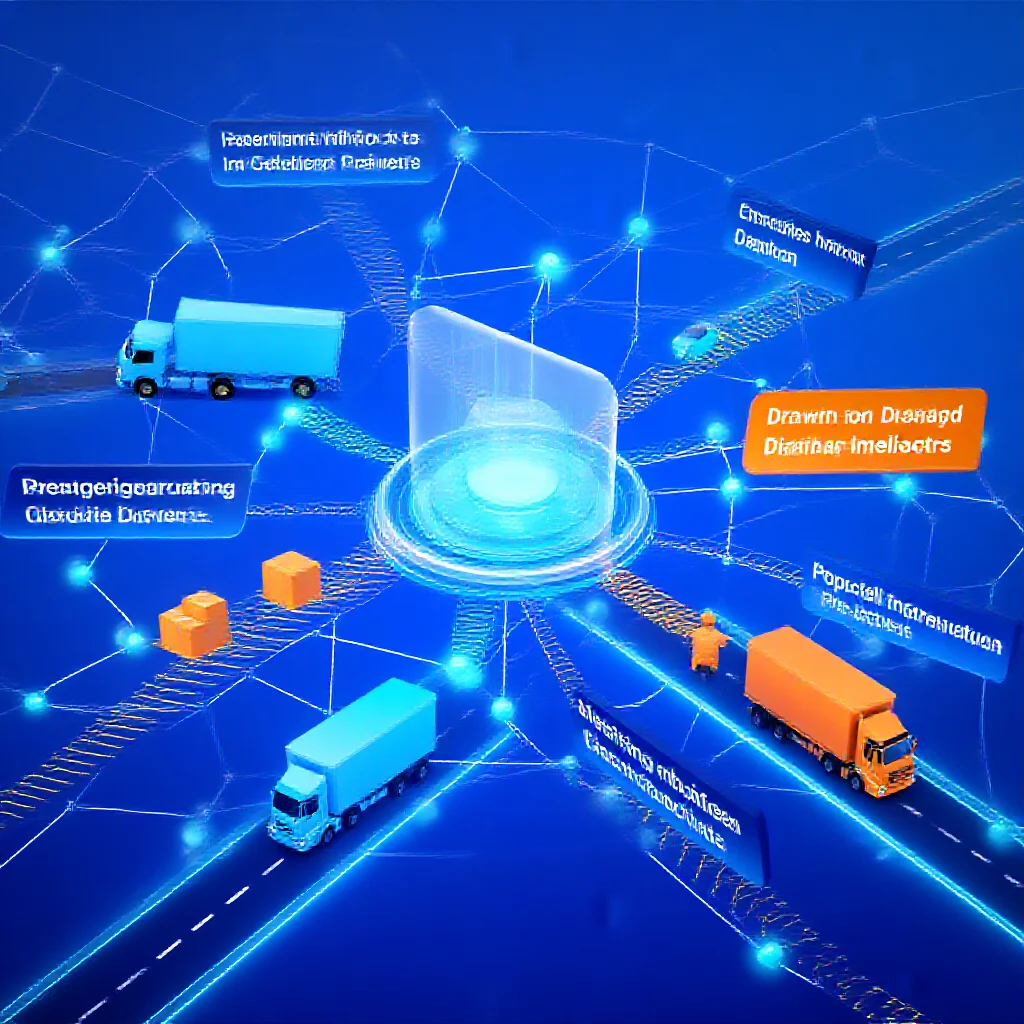
"Modern fleet operations face significant risks stemming from fragmented"
Beyond the Dashboard: How Data Integration is Redefining Fleet Risk Management
Modern fleet operations are complex systems where risk is no longer confined to isolated incidents on the road. The primary vulnerability has shifted from singular events to systemic operational blind spots created by fragmented data. These blind spots—in driver behavior, vehicle health, and cargo condition—represent a continuous, multi-dimensional threat. The strategic response is evolving from basic telematics monitoring to the creation of a predictive risk intelligence layer through comprehensive data integration. This approach transforms fleet management from a reactive cost center into a proactive, data-driven asset, with implications extending deep into supply chain resilience.
The Hidden Cost of Operational Blind Spots: More Than Just Safety
The economic impact of fragmented visibility is systemic. Isolated data points on harsh braking, unscheduled maintenance, or temperature excursions in a reefer unit are traditionally treated as separate cost centers. The integrated view, however, reveals a cascade of cause and effect. Aggressive driving correlates not only with safety incidents but also with accelerated wear on tires and brakes, increasing maintenance costs and unexpected vehicle downtime. This downtime, in turn, disrupts delivery schedules, creating volatility for shippers dependent on just-in-time inventory models.
The financial consequences are quantifiable across total cost of ownership (TCO) and insurance premiums. Insurers increasingly leverage telematics data for risk assessment; fleets with integrated data demonstrating proactive risk mitigation can negotiate more favorable terms. Conversely, a lack of holistic data leaves fleets unable to contest claims or demonstrate due diligence, often resulting in higher premiums. The ripple effect extends beyond the fleet operator. A single blind spot leading to a delayed or damaged shipment can trigger a chain reaction, impacting a shipper’s production lines or retail fulfillment, thereby transferring risk and cost instability upstream in the supply chain.
From Data Silos to Predictive Intelligence: The Core Integration Strategy
The foundational step is moving beyond standalone telematics or electronic logging device (ELD) systems. The modern integration strategy involves fusing disparate data streams: GPS and engine control module (ECM) data, forward-facing and driver-facing camera feeds, electronic maintenance records, cargo sensor data (e.g., temperature, humidity, shock), and external data via APIs, such as real-time weather and traffic information. This creates a unified data fabric.
The true value is unlocked not by aggregation alone, but by analysis. Predictive analytics serves as the central nervous system of this integrated environment. Machine learning models process this consolidated data to identify patterns invisible to human analysts or siloed systems. These models can forecast potential component failures before they occur, generate dynamic driver risk scores based on a composite of behavior, environment, and fatigue indicators, and prescribe optimal routing that balances efficiency with safety and cargo integrity. The output shifts the operational paradigm from reactive alerts to proactive recommendations for maintenance, driver coaching, and route optimization.
The Human-Machine Partnership: Process & Training in an Automated World
Technology implementation alone is insufficient. The most advanced predictive analytics platform fails if its insights are not embedded into revised operational processes. Data must inform and enhance, not replace, human judgment and established procedures. For instance, predictive maintenance alerts should integrate seamlessly with computerized maintenance management system (CMMS) workflows to automate work order generation. Similarly, data-driven risk scores must feed into structured, fair, and consistent driver coaching programs.
This necessitates a parallel investment in upskilling. Drivers transition from mere data subjects to informed participants. Training must equip them to understand in-cab alerts related to risk indicators, such as following distance or fatigue warnings, framing them as tools for professional development. Managers and safety directors require training to interpret predictive alerts, distinguishing between high-probability, high-impact events and statistical noise, to allocate resources effectively. Regular audits of safety and compliance processes remain essential, but are now supercharged with integrated data, allowing auditors to verify systemic controls rather than sample transactions.
The Long-Term Play: Fleet Data as a Supply Chain Asset
The ultimate strategic evolution is the externalization of integrated fleet data value. A fleet’s operational data, when aggregated and anonymized, transcends internal risk mitigation to become a strategic asset for the entire logistics network. Patterns across thousands of vehicles can provide early warning signals for regional infrastructure stress, port congestion, or recurring weather-related disruptions. This macro-level visibility enables shippers and logistics planners to model scenarios and build more resilient supply chains.
Industry analysis supports this trajectory. Reports from logistics intelligence firms such as FreightWaves consistently highlight the correlation between advanced fleet visibility and key supply chain performance indicators, including on-time delivery rates, inventory turnover, and freight cost predictability (Source: FreightWaves, various market intelligence reports). The fleet that masters data integration ceases to be merely a transportation service and becomes a critical node of intelligence in a connected logistics ecosystem, forecasting bottlenecks and enabling proactive stabilization of the supply chain.
The market direction is clear. Fleet risk management is undergoing a fundamental redefinition, driven by the economic imperative to convert latent data into predictive intelligence. The convergence of IoT, predictive analytics, and process automation is closing historical blind spots. This transformation mitigates immediate safety and compliance risks while systematically lowering total cost of ownership. In the long term, it positions the data-integrated fleet as a foundational pillar of a more transparent, efficient, and resilient global supply chain.
Trade Metrics
Related Datasets
Q4 Cross-Border Logistics Report
PDF • 4.2 MB
Automotive Parts Supply Chain Index
CSV • 1.1 MB