How Cross-Border B2C E-Commerce Is Reshaping North American Trade and Manufacturing

Emily Rodriguez
Cross-Border Trade Reporter
July 31, 2026
DATELINE: NA TRADE WIRE
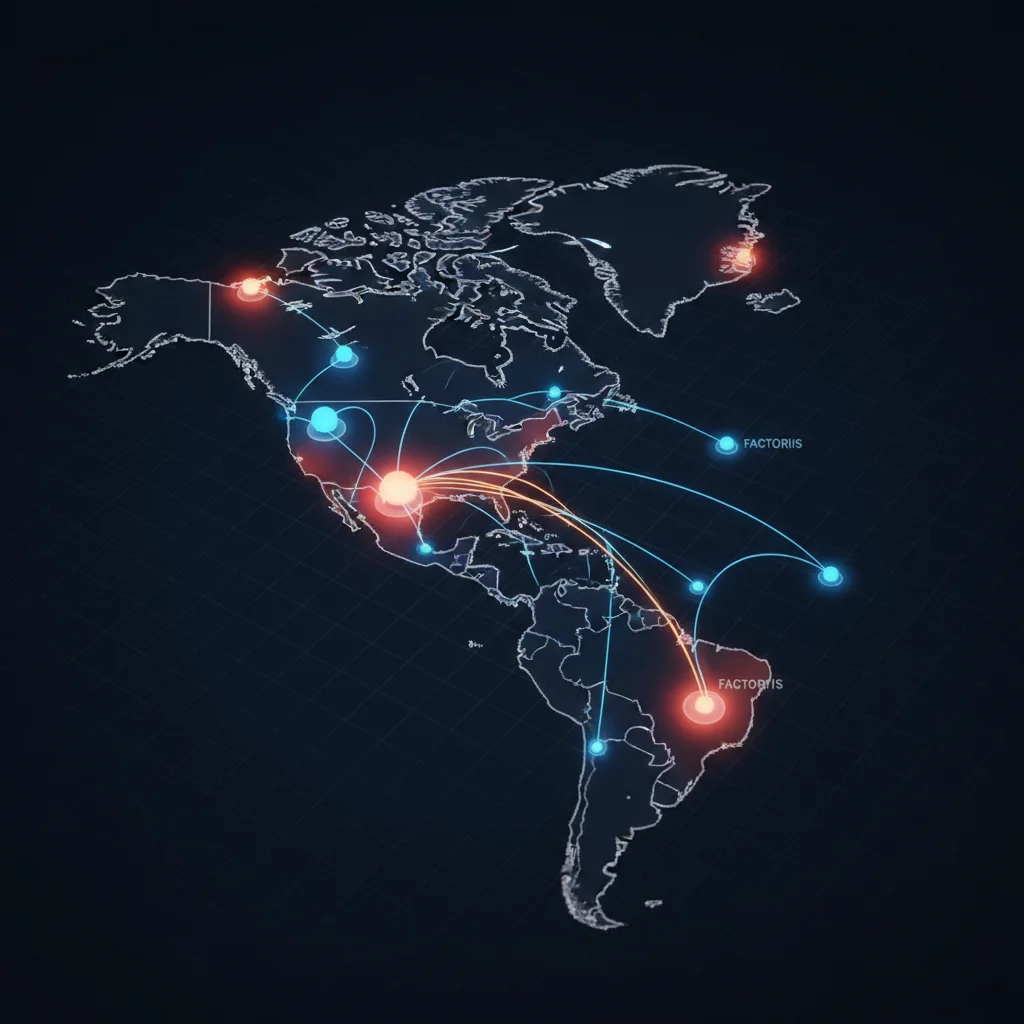
"An analysis of how the rapidly growing cross-border B2C e-commerce market is affecting North American trade flows, logistics, manufacturing, and the policy landscape."
Executive Summary
The cross-border B2C e-commerce market is not just another retail trend. It is a structural shift in how goods move across borders, with direct consequences for North American trade integration, logistics networks, and manufacturing competitiveness. According to a recent market analysis, global cross-border B2C e-commerce is set to grow from $1.55 trillion in 2025 to $17.30 trillion by 2035, a compound annual growth rate of 27.3%. North America currently holds the largest share of this market, but the rapid expansion—particularly from Asia-Pacific—is forcing policymakers and businesses in the United States, Canada, and Mexico to reconsider their trade facilitation strategies, digital infrastructure, and industrial positioning.
Introduction
Cross-border e-commerce has evolved from a niche channel for bargain hunters into a mainstream component of international trade. Consumers in North America routinely purchase goods directly from sellers in Europe, Asia, and Latin America, while U.S., Canadian, and Mexican retailers increasingly rely on foreign suppliers to meet demand. This digital trade creates new opportunities for small and medium-sized enterprises (SMEs) to access global customers, but it also tests the capacity of existing trade agreements, customs procedures, and logistics networks.
This article assesses the implications of the cross-border B2C e-commerce boom for North American trade and industrial competitiveness, drawing on market projections and regional dynamics.
Main Analysis: Key Drivers and Market Trends
The growth of cross-border B2C e-commerce is underpinned by several structural forces:
- Technological advancements in payment solutions: Digital wallets, alternative payment systems, and emerging blockchain-based methods reduce friction in cross-border transactions. Consumers in North America are increasingly comfortable using these tools, which lowers the barrier to purchasing from international merchants.
- Rise of social media commerce: Platforms such as Facebook, Instagram, and TikTok have become sales channels in their own right, enabling brands to market directly to consumers across borders without establishing physical retail presence. This trend is particularly influential for fashion, beauty, and consumer electronics.
- Mobile commerce: Smartphones account for a growing share of online transactions in all three North American countries. This mobility allows consumers to shop globally from anywhere, increasing the frequency and diversity of cross-border purchases.
- Logistics and supply chain improvements: Investment in parcel forwarding, consolidated shipping, and real-time tracking has made international delivery faster and more predictable. Automated warehousing and last-mile innovations are enhancing the reliability of cross-border shipments.
- Consumer trust and sustainability concerns: As payment security and return policies improve, consumer confidence in international online shopping rises. At the same time, a growing preference for sustainable and ethically sourced products is influencing purchasing decisions, pushing retailers to offer products that align with consumer values.
Trade Impact: How Cross-Border E-Commerce Reshapes North American Trade Flows
The expansion of cross-border B2C e-commerce has a direct impact on the volume and composition of North American trade. Traditional commercial trade involves large container shipments and centralized distribution; e-commerce generates millions of small parcels, changing the way goods are valued, cleared, and delivered.
- Customs modernization: The surge in low-value shipments challenges existing de minimis thresholds and customs procedures. The U.S. recently reformed its de minimis rules, and Canada and Mexico have similar frameworks. Governments are now investing in digital clearance systems to manage the volume while ensuring compliance with trade regulations.
- Logistics and infrastructure: Ports, airports, and express delivery networks are adapting to handle high-throughput, small-package flows. Cross-border corridors between the U.S., Canada, and Mexico are being upgraded, and new fulfillment centers are being located closer to border regions to reduce delivery times.
- Supply chain integration: E-commerce demand encourages manufacturers to adopt more agile, direct-to-consumer fulfillment models. This shifts some production away from mass production runs and toward smaller, more responsive batch sizes, reinforcing the trend of nearshoring to reduce lead times.
- Trade finance and payment services: SMEs engaged in cross-border e-commerce require access to trade finance and risk mitigation tools. Financial institutions are developing new products to support these businesses, including structured payment solutions and letters of credit adapted to digital trade.
Regional Perspective: United States, Canada, Mexico, and USMCA
North America is the largest regional market for cross-border B2C e-commerce, reflecting high consumer spending and robust digital adoption. However, the three countries face distinct opportunities and challenges.
- United States: The U.S. is both the largest source and destination for cross-border online purchases. U.S. retailers benefit from access to global suppliers, but also face competition from international brands entering the domestic market. The 2025 implementation of stricter de minimis rules for certain Chinese imports illustrates the tension between consumer choice and trade enforcement.
- Canada: Canadian consumers frequently shop across the border for a wider selection and better prices. Cross-border e-commerce amplifies the importance of U.S.-Canada logistics integration, but also exposes Canadian businesses to strong competition. Canadian manufacturers can leverage cross-border platforms to reach U.S. consumers, but need assistance with customs and cross-border compliance.
- Mexico: Mexico is the fastest-growing e-commerce market in North America, driven by increasing smartphone penetration and a young population. Cross-border e-commerce allows Mexican SMEs to sell directly to U.S. and Canadian buyers, yet gaps in logistics infrastructure and digital payments remain. USMCA rules on digital trade and geospatial data are relevant, but more needs to be done to level the playing field.
Under USMCA, the three countries have committed to removing barriers to digital trade, prohibiting customs duties on electronic transmissions, and facilitating cross-border data flows. However, the practical implementation of these commitments is still evolving. As cross-border B2C e-commerce grows, the effectiveness of USMCA's digital trade chapter will become a key determinant of North American competitiveness.
Future Outlook 2025–2035
Over the next decade, cross-border B2C e-commerce will continue to expand at double-digit rates. Several developments are likely to shape the market in North America:
- Artificial intelligence and personalization: AI will play a central role in demand forecasting, dynamic pricing, and personalized product recommendations. AI-driven logistics planning can reduce delivery times and costs, improving the competitiveness of North American sellers.
- Sustainability and ethical commerce: Consumer pressure for transparent supply chains will push companies to adopt more sustainable sourcing and packaging, which could also influence cross-border compliance standards.
- Digital infrastructure investments: The expansion of high-speed broadband and mobile networks in underserved regions of Mexico and Canada will unlock new market segments. Data localization requirements and privacy regulations will affect how companies manage international customer data.
- Trade policy evolution: Negotiations over e-commerce rules in the WTO and in bilateral forums will likely address issues such as digital services taxes, source code protection, and cross-border data transfers. North American companies will need to adapt to a more complex policy environment.
- Nearshoring acceleration: The combination of trade tensions, shipping costs, and the need for faster replenishment is pushing some e-commerce businesses to move production closer to end markets. Mexico is well-positioned to benefit from this trend, particularly in electronics, apparel, and home goods.
Conclusion
Cross-border B2C e-commerce is a powerful force that is redefining trade dynamics in North America. While the market offers significant growth opportunities, it also demands a coordinated response from governments, businesses, and logistics providers. Strengthening USMCA digital trade commitments, investing in border and logistics infrastructure, and helping SMEs harness cross-border platforms are essential steps to ensure that the benefits of this global trend are fully captured by the North American economy.
Key Takeaways
- Cross-border B2C e-commerce will grow from $1.55 trillion in 2025 to $17.30 trillion by 2035, a 27.3% CAGR.
- North America is the largest market, with the U.S. at the center, but Canada and Mexico are also deeply integrated into cross-border flows.
- Logistics and customs modernization are critical to manage the surge in small parcels and maintain trade efficiency.
- USMCA's digital trade provisions must be effectively implemented to ensure open, competitive markets.
- Nearshoring and advanced logistics will enhance North American resilience in global e-commerce supply chains.
- SMEs benefit from access to international buyers, yet need targeted support in payments, customs, and delivery infrastructure.
Sources
Market Research Future, "Cross-border B2C E-commerce Market Size, Share | Industry Report, 2035" (April 24, 2026). URL: https://www.marketresearchfuture.com/reports/cross-border-b2c-e-commerce-market-11912
Trade Metrics
Related Datasets
Q4 Cross-Border Logistics Report
PDF • 4.2 MB
Automotive Parts Supply Chain Index
CSV • 1.1 MB