The $9.4 Million Amazon Delivery Fraud: A Symptom of a Broken Gig Economy

Emily Rodriguez
Cross-Border Trade Reporter
March 29, 2026
DATELINE: NA TRADE WIRE
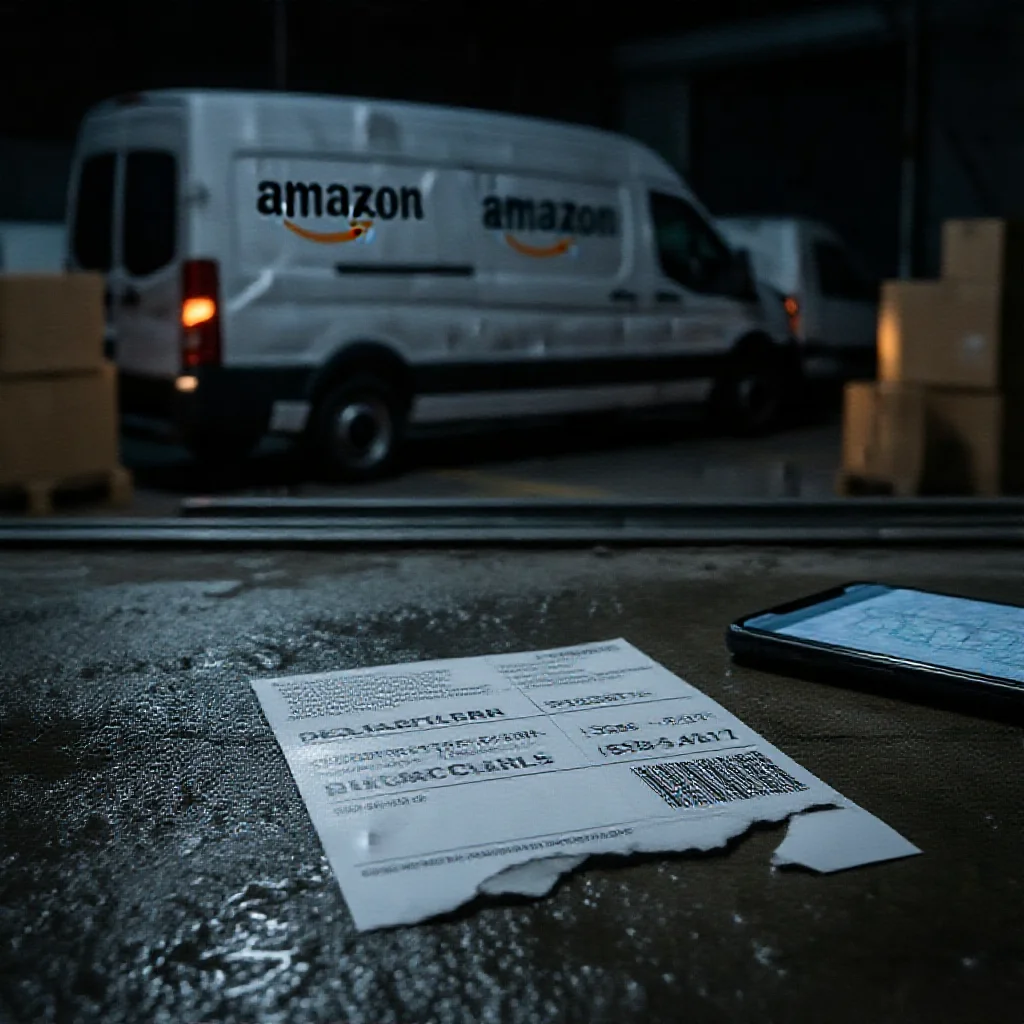
"The conviction of an Amazon delivery provider for a $9.4 million fraud scheme,"
The $9.4 Million Amazon Delivery Fraud: A Symptom of a Broken Gig Economy Model
Beyond the Headline: Deconstructing the $9.4 Million Delivery Fraud
A delivery provider for Amazon has been convicted for executing a fraud scheme valued at $9.4 million (Source 1: [Primary Data]). The core mechanism involved systematically billing for delivery services that were not performed (Source 1: [Primary Data]). This case transcends a simple criminal prosecution. It functions as a diagnostic probe into the structural vulnerabilities of modern, hyper-scaled logistics networks. The central thesis is that such fraud does not occur in spite of the system but can flourish because of it, exploiting the inherent gaps within automated, outsourced, and algorithmically managed delivery ecosystems.The Perfect Storm: How Amazon's Logistics Model Creates Fraud Opportunities
The conviction is a direct stress test of the prevailing last-mile delivery model. This model is characterized by the "gig-ification" of physical logistics, where platforms like Amazon rely on a network of third-party Delivery Service Partners (DSPs) and further subcontractors. This structure intentionally dilutes direct operational oversight, creating layers of opacity where accountability can dissolve. Financial and performance pressures, often mediated through algorithmic management and stringent metrics, can create perverse incentives for providers to engage in "creative reporting" to meet targets or enhance margins.The critical vulnerability lies in verification. While the platform tracks package movement, the financial and contractual relationship with the human driver and vehicle is frequently intermediated by multiple entities. Auditing the integrity of work claims—such as hours logged, routes driven, or deliveries attempted—becomes exponentially more difficult across these fragmented tiers. The fraud occurred precisely within this opaque layer, where the digital record of a delivery could be falsified with less risk of immediate, on-the-ground discovery.
The Hidden Tax: Economic and Operational Impacts Beyond the Stolen Millions
The direct financial loss of $9.4 million is a quantifiable line item. The more significant, insidious cost is the erosion of supply chain data integrity. When billing and performance data cannot be trusted, strategic planning, capacity forecasting, and efficiency analyses are compromised. This introduces systemic noise into the logistics network.Operationally, the costs of fraud are not absorbed in isolation. They contribute to rising sector-wide costs for compliance, auditing, and insurance. These costs are ultimately redistributed, potentially leading to increased consumer prices or applying margin pressure on legitimate, compliant service providers within the same network. Furthermore, the brand value of the primary platform is indirectly compromised when the end-customer experience rests upon a potentially unstable and unvetted delivery foundation.
A Canary in the Coal Mine? What This Fraud Case Predicts for the Industry
This conviction is likely not an isolated anomaly but a leading indicator. The economic model of rapid, asset-light scaling in e-commerce logistics is in fundamental tension with the implementation of robust, traditional financial and operational controls. Similar schemes are probabilistically undetected across the sector, as the volume of transactions and the complexity of subcontracting chains outpace conventional audit capabilities.This tension invites regulatory scrutiny. The legal and financial accountability of platform companies for the actions of their contracted and subcontracted partners remains a contested frontier. This case provides a concrete financial fraud narrative that could accelerate regulatory and legislative trends aimed at piercing the corporate veil between platforms and the gig economy workforce they engage. The focus may shift from classification debates toward tangible financial accountability and transparency mandates for complex supply chains.
Architecting Integrity: Solutions for a More Transparent Delivery Future
Mitigating this class of risk requires architectural changes to the logistics model itself, moving beyond punitive detection to preventative design. Technological integration offers potential pathways. Blockchain or distributed ledger technology could provide immutable, verifiable proof-of-delivery and work completion records, creating a single source of truth across all parties. Advanced AI and machine learning models can be deployed for real-time anomaly detection in billing and performance data, flagging patterns indicative of fraud for human review.The fundamental solution, however, is a recalibration of the partnership model. This involves moving from purely transactional, volume-based relationships with DSPs to integrated partnerships with stricter, technology-enabled verification protocols and shared accountability for data integrity. The cost of this integration is the price of systemic trust. The $9.4 million fraud case demonstrates that the cost of opacity, while often hidden, is materially real and ultimately unsustainable for an industry foundational to global commerce.
Trade Metrics
Related Datasets
Q4 Cross-Border Logistics Report
PDF • 4.2 MB
Automotive Parts Supply Chain Index
CSV • 1.1 MB